Iran Protests Lose Momentum Amid Crackdown, Internet Blackout and Conflicting Signals from Trump
Iran protests appear to lose momentum amid a deadly crackdown, internet blackout and conflicting signals from Donald Trump, even as exile groups call for renewed demonstrations.
 aaravi_editor
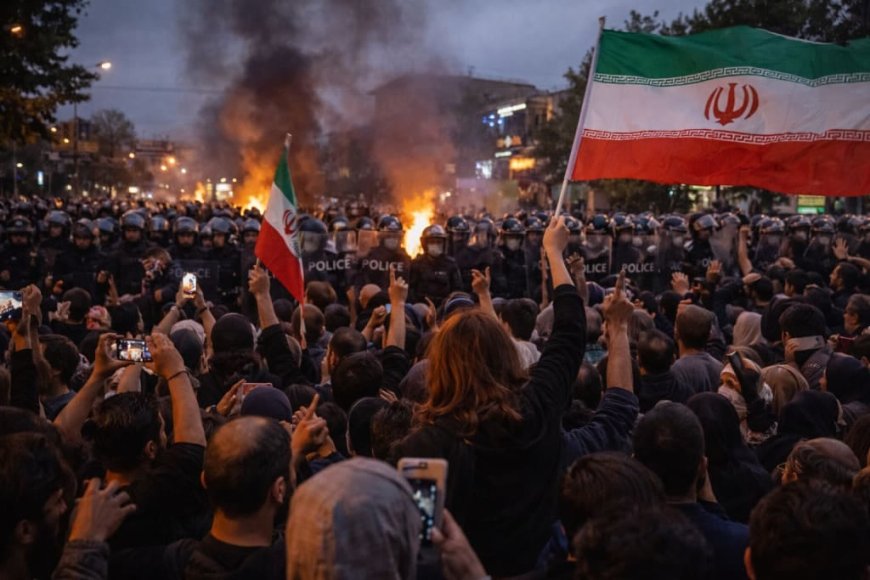
The wave of anti-government protests in Iran, which had drawn global attention over the past weeks, appears to have lost momentum, with no fresh videos or verified reports emerging from inside the country amid a prolonged communications blackout.
The unrest, which began in late December, was met with a severe government crackdown that has reportedly resulted in thousands of deaths. According to Iran Human Rights, at least 3,428 protesters have been confirmed killed by Iranian security forces, while warning that the actual toll could be far higher due to restrictions on independent verification. Other estimates suggest fatalities may exceed 5,000, with some figures running into tens of thousands. The Associated Presshas separately reported a death toll of over 3,090, citing activist sources.
While the decline in visible unrest coincides with repeated warnings of intervention issued by Donald Trump, analysts caution that the apparent calm may be the result of intense repression and digital isolation, rather than any diplomatic breakthrough. Trump had earlier drawn “red lines” over executions and the killing of peaceful protesters, signalling potential action if crossed.
As protests appeared to wane, Reza Pahlavi, who lives in exile, announced plans for a new coordinated demonstration, urging Iranians to raise their voices again against the Islamic Republic. His earlier calls for mass mobilisation were widely seen as contributing to the scale of the initial unrest against the theocratic leadership led by Ali Khamenei.
Executions, Threats and Mixed Messages
Trump claimed that Iranian authorities had halted executions of detained protesters, thanking Iran’s leaders publicly and suggesting this had made an “impact.” However, he did not clarify how such assurances were obtained, nor whether this indicated a shift away from possible US military action.
In contrast, hardline voices within Iran sent sharply different signals. A sermon by senior cleric Ayatollah Ahmad Khatami, broadcast on state radio, called for the execution of detained protesters, labelling them agents of Israel and the United States. The cleric directly threatened Trump and Israel, warning of “hard revenge” and declaring that peace should not be expected.
Internet Blackout Continues
Digital rights group NetBlocks reported that Iran’s total internet blackout had crossed 180 hours, exceeding the duration of similar shutdowns during the 2019 protests. While authorities have slightly eased restrictions by allowing outbound international phone calls, internet access and SMS services remain suspended. Calls from outside Iran to within the country are still blocked, according to residents in Tehran who spoke anonymously.
Despite the visible lull, rights groups warn that the situation inside Iran remains volatile, with the absence of information making it difficult to assess whether protests have truly ended or have simply been driven underground.