India’s digital transformation is one of the most remarkable success
The concept of a “Digital India Model” refers to the use of technology to improve governance, empower citizens, boost the economy, and create a knowledge-based society. Led by the Government of India, this model integrates digital infrastructure, services, and literacy to make India a digitally empowered nation.
 Avya7800
1. Introduction
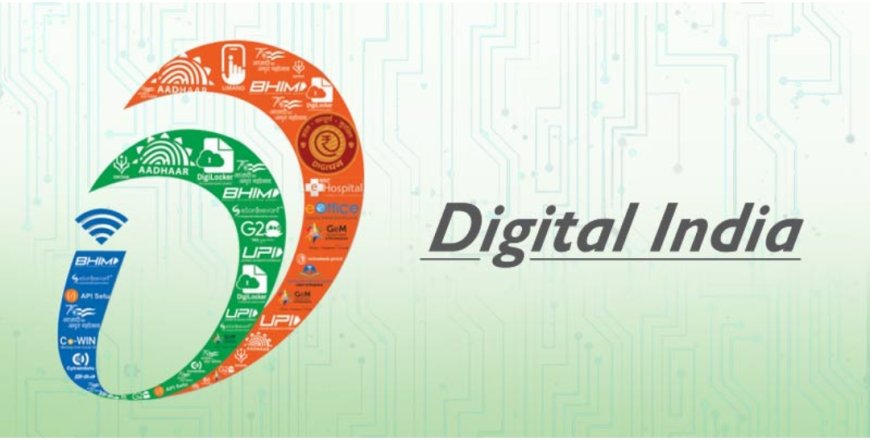
The Digital India model was formally launched in 2015 under the flagship initiative Digital India. The main objective is to transform India into a digitally empowered society and knowledge economy.
This initiative focuses on:
Providing digital infrastructure
Delivering government services electronically
Promoting digital literacy
Over the years, India has become a global leader in digital innovation, especially in areas like digital payments and e-governance.
2. Vision of Digital India
The Digital India model is based on three key vision areas:
(a) Digital Infrastructure as a Core Utility
High-speed internet connectivity
Digital identity for every citizen
Mobile and bank account access
(b) Governance and Services on Demand
Online government services
Real-time service delivery
Paperless administration
(c) Digital Empowerment of Citizens
Digital literacy
Access to online resources
Participation in governance
This vision ensures inclusive development across urban and rural areas.
3. Key Components of the Digital India Model
(a) Digital Identity System
India has developed one of the world’s largest digital identity systems through Aadhaar.
Features:
Unique identification number
Biometric authentication
Used for government services and banking
It enables direct benefit transfers and reduces corruption.
(b) Digital Payments Revolution
India is a global leader in digital payments.
Key Platform:
Unified Payments Interface
Features:
Instant money transfer
Mobile-based transactions
Widely used across urban and rural areas
Apps like PhonePe and Google Pay have made digital payments accessible to millions.
(c) E-Governance
E-governance is a core part of the digital model.
Key Initiatives:
Online portals for services
Digital documentation
Real-time monitoring
Example:
DigiLocker
Benefits:
Transparency
Reduced paperwork
Faster service delivery
(d) Digital Connectivity
Internet access is essential for digital growth.
Major Program:
BharatNet
Goal:
Provide high-speed internet to rural areas
Connect villages digitally
This helps bridge the digital divide.
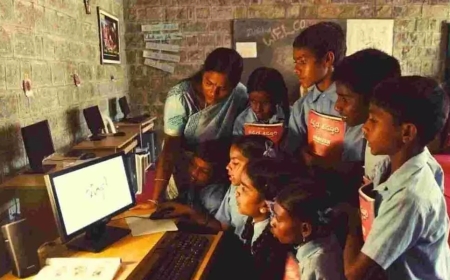
(e) Digital Education
Technology is transforming education.
Platforms:
Online learning portals
Virtual classrooms
Digital content
Example:
SWAYAM
Impact:
Access to education for remote areas
Skill development
(f) Digital Health
Healthcare services are also becoming digital.
Initiative:
Ayushman Bharat Digital Mission
Features:
Digital health records
Online consultations
Improved healthcare delivery
4. Role of Technology in the Digital Model
Technology is the backbone of Digital India.
Key Technologies:
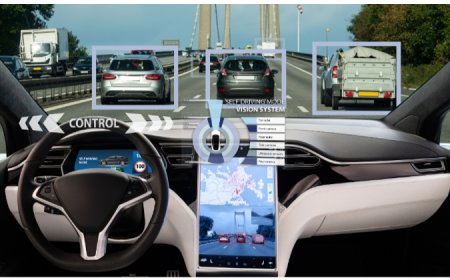
Artificial Intelligence (AI)
Cloud computing
Internet of Things (IoT)
Big data analytics
These technologies improve efficiency and innovation.
5. Impact on Economy
Digital India has significantly boosted the economy.
Benefits:
Growth of startups
Increase in digital transactions
Job creation in IT sector
India has become a hub for digital innovation and entrepreneurship.
6. Financial Inclusion
Digital platforms have improved financial inclusion.
Key Initiative:
Pradhan Mantri Jan Dhan Yojana
Impact:
Bank accounts for millions
Access to financial services
Direct benefit transfers
7. Rural Development

Digital India is transforming rural areas.
Changes:
Access to online services
Digital payments in villages
E-commerce opportunities
This reduces the gap between rural and urban India.
8. Challenges of Digital India
Despite success, challenges remain:
Major Issues:
Digital divide
Lack of digital literacy
Cybersecurity threats
Internet connectivity issues
Addressing these challenges is essential for sustainable growth.
9. Cybersecurity and Data Protection
With increased digitalization, security is crucial.
Concerns:
Data privacy
Cyber attacks
Online fraud
Government is working on stronger cybersecurity laws and systems.
10. Role of Startups and Innovation
Startups play a major role in the digital ecosystem.
Key Contributions:
Innovative solutions
Job creation
Technology development
India is now one of the largest startup ecosystems in the world.
11. Global Recognition
India’s digital model is recognized globally.
Achievements:
Leadership in digital payments
Large-scale digital identity system
Innovation in public digital infrastructure
Many countries are studying India’s model.
12. Digital India and Governance
Digital tools improve governance.
Benefits:
Transparency
Accountability
Efficient administration
Citizens can access services easily and track applications online.
13. Future of Digital India
The future of Digital India looks promising.
Key Trends:
Expansion of 5G technology
AI-driven services
Smart cities
Digital economy growth
India aims to become a global digital leader.
Conclusion
The Digital India model is transforming the country into a modern, technology-driven society. By integrating digital infrastructure, governance, and citizen empowerment, India has created a strong foundation for growth and development.
While challenges like digital divide and cybersecurity remain, continuous innovation and government efforts are helping overcome them. The success of Digital India lies in its inclusiveness and scalability.