Latest Technology in India
The latest technology in India is not only transforming industries but also improving the quality of life for millions of people. This essay explores the key technological developments in India and their impact on society and the economy.
 Avya7800

Digital Transformation in India
One of the most significant technological achievements in India is its digital transformation.
Digital India Initiative
The Digital India initiative has played a major role in expanding digital infrastructure and services.
Key Features:
Online government services
Digital identity (Aadhaar)
Digital payments
Digital Payment Systems
India has become a global leader in digital payments.
The Unified Payments Interface (UPI) allows instant money transfers using mobile phones.
Benefits:
Cashless economy
Fast and secure transactions
Financial inclusion
Apps like Google Pay and PhonePe have made digital payments accessible to millions.
Artificial Intelligence and Machine Learning
Artificial Intelligence (AI) is transforming various sectors in India.
Applications:
Healthcare diagnostics
Chatbots and virtual assistants
Fraud detection in banking
India is investing heavily in AI research and development to become a global leader in this field.
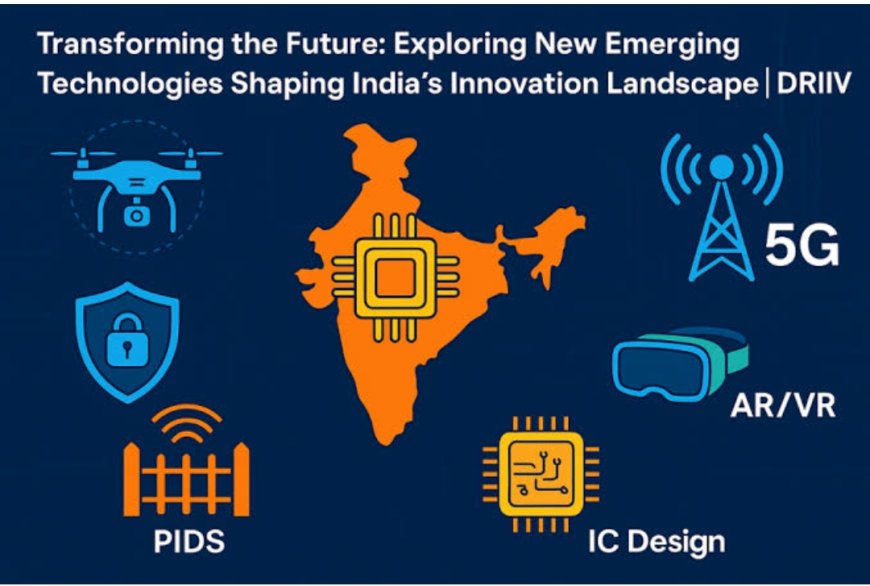
5G and Telecommunications
India has recently launched 5G technology, which is revolutionizing communication.
Key Features of 5G:
High-speed internet
Low latency
Better connectivity
Companies like Reliance Jio and Bharti Airtel are leading the rollout of 5G services across the country.
Space Technology
India has achieved remarkable success in space exploration.
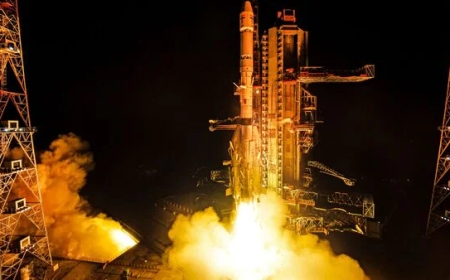
The Indian Space Research Organisation (ISRO) has launched several successful missions.
Major Achievements:
Chandrayaan-3 (successful lunar landing)
Mars Orbiter Mission
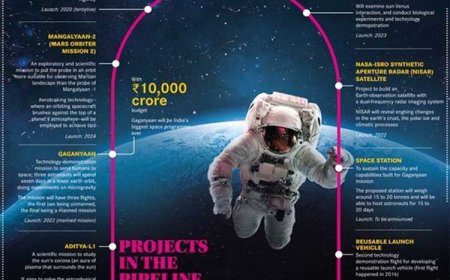
India is also working on future missions, including human spaceflight programs.
Biotechnology and Healthcare Technology
India is making significant progress in biotechnology.
Key Developments:
Vaccine development
Genetic research
Telemedicine
During the COVID-19 pandemic, India developed vaccines like Covaxin.
Digital Healthcare
Online consultations
Health monitoring apps
Electronic health records
These technologies improve healthcare accessibility and efficiency.
Startups and Innovation Ecosystem
India has one of the largest startup ecosystems in the world.
Key Areas:
Fintech
Edtech
Healthtech
Companies like Byju's and Zomato have gained global recognition.
Government initiatives such as Startup India support innovation and entrepreneurship.
Electric Vehicles (EVs) and Green Technology
India is moving towards sustainable technology.
Electric Vehicles
Companies like Tata Motors are promoting electric vehicles.
Benefits:
Reduced pollution
Lower fuel costs
Sustainable transport
Renewable Energy
India is investing in renewable energy sources:
Solar power
Wind energy
The country aims to reduce carbon emissions and promote clean energy.
Robotics and Automation
Robotics is being used in various industries.
Applications:
Manufacturing
Healthcare (robotic surgery)
Logistics
Automation improves efficiency and reduces human error.
Agriculture Technology (AgriTech)
Technology is transforming Indian agriculture.
Key Innovations:
Smart irrigation systems
Drone technology
Mobile apps for farmers
Farmers can now access weather updates, market prices, and expert advice through digital platforms.
Education Technology (EdTech)
The education sector has seen rapid technological growth.
Features:
Online learning platforms
Virtual classrooms
Digital content
EdTech companies are making education accessible to students across the country.
Cybersecurity and Data Protection
With increasing digitalization, cybersecurity has become crucial.
Key Measures:
Data protection laws
Secure digital platforms
Awareness programs
India is working to strengthen its cybersecurity infrastructure.
Smart Cities and Infrastructure
India is developing smart cities using technology.
Features:
Smart traffic management
Digital surveillance
Efficient public services
Cities like Delhi, Mumbai, and Bengaluru are adopting smart technologies.
Challenges in Technology Development
Despite rapid growth, India faces several challenges:
1. Digital Divide
Not everyone has access to technology.
2. Cybersecurity Threats
Increasing risk of data breaches.
3. Skill Gap
Need for skilled workforce in advanced technologies.
4. Infrastructure Issues
Limited connectivity in rural areas.
Future Prospects
The future of technology in India looks promising.
Key Trends:
Expansion of AI and machine learning
Growth of 6G technology
Increased adoption of automation
Focus on sustainability
India is expected to become a global technology leader in the coming years.
Conclusion
India’s latest technological advancements are transforming the country into a modern, digital, and innovative nation. From digital payments and artificial intelligence to space exploration and renewable energy, technology is playing a vital role in economic growth and social development.
With continued investment, innovation, and government support, India has the potential to lead the world in technology. Addressing challenges such as the digital divide and cybersecurity will be key to ensuring inclusive and sustainable growth.