
World’s Cricket Stadiums –
Cricket is one of the most popular sports in the world, especially in countries like India, Australia, England, Pakistan, and South Africa. One of the most important parts of this sport is the cricket stadium. Cricket stadiums are not just venues for matches; they are historic places where legendary performances take place, records are broken, and millions of fans experience unforgettable moments.
 Avya7800
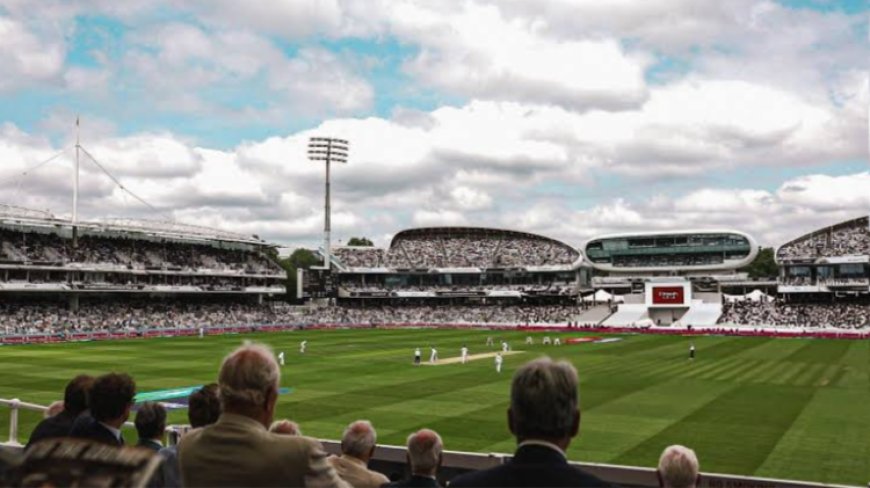
Introduction to Cricket Stadiums
A cricket stadium is a large sports venue designed specifically for playing cricket. It includes a circular or oval field, a central pitch, seating arrangements for spectators, and facilities for players and officials. Modern cricket stadiums are equipped with advanced technology, making them comfortable and exciting for both players and fans.
Across the world, cricket stadiums vary in size, design, and atmosphere. Some are historic and traditional, while others are modern and technologically advanced.
History of Cricket Stadiums
Cricket originated in England, and early matches were played on simple grounds. Over time, as the sport gained popularity, proper stadiums were developed with better infrastructure.
One of the oldest and most famous cricket grounds in the world is Lord's Cricket Ground. Established in 1814, it is often called the “Home of Cricket.” It has hosted numerous historic matches and is considered one of the most prestigious venues in the sport.
Structure of a Cricket Stadium
A typical cricket stadium consists of several important parts:
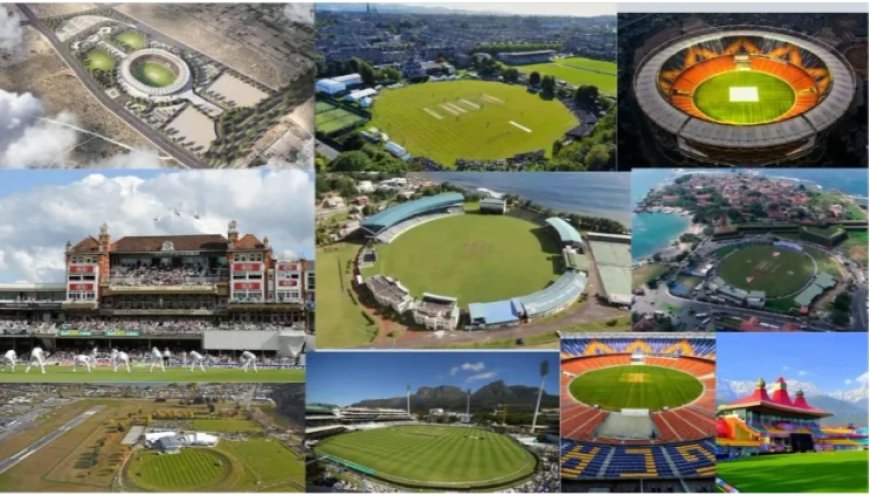
1. Playing Field
A large oval-shaped ground covered with grass where the game takes place.
2. Pitch
The central strip where bowlers deliver the ball and batsmen play their shots. The nature of the pitch affects the outcome of the match.
3. Pavilion
The area where players sit, rest, and prepare for the match.
4. Stands
Seating arrangements for spectators, which may include general seating, VIP boxes, and corporate lounges.
5. Floodlights
Used for day-night matches, allowing games to continue after sunset.
Famous Cricket Stadiums Around the World
1. Melbourne Cricket Ground
One of the largest stadiums in the world
Seating capacity: over 100,000
Hosts major events like the Cricket World Cup and Ashes series
2. Lord's Cricket Ground
Known as the “Home of Cricket”
Managed by the Marylebone Cricket Club (MCC)
Famous for its historic pavilion and honors boards
3. The Oval
One of the oldest cricket grounds
Hosted the first-ever Test match in England
Known for its beautiful setting and rich history
4. Sydney Cricket Ground
Famous for its traditional architecture
Hosts international matches and domestic games
5. Newlands Cricket Ground
Known for its scenic beauty with Table Mountain in the background
One of the most picturesque stadiums in the world
6. Gaddafi Stadium
One of Pakistan’s largest cricket venues
Hosts international matches and Pakistan Super League (PSL) games
7. Sher-e-Bangla National Cricket Stadium
Main cricket venue of Bangladesh
Known for passionate crowds
8. Dubai International Cricket Stadium
A modern stadium with advanced lighting system
Hosts international matches and IPL games
9. Eden Park
Unique small boundaries
Famous for exciting high-scoring matches
10. Kensington Oval
Historic Caribbean cricket ground
Known for lively atmosphere and fast pitches
Largest Cricket Stadium in the World
The largest cricket stadium in the world is the Narendra Modi Stadium. It has a seating capacity of over 130,000 spectators and is equipped with world-class facilities. It represents the modern era of cricket stadium development.
Importance of Cricket Stadiums
Cricket stadiums play a crucial role in the development of the sport:
1. Hosting International Matches
They host Test matches, One Day Internationals (ODIs), and T20 matches between countries.
2. Major Tournaments
Stadiums are used for global events like the ICC Cricket World Cup and T20 World Cup.
3. Domestic Leagues
Leagues such as the Indian Premier League and other T20 leagues are played in these stadiums.
4. Economic Growth
Cricket matches generate revenue through tourism, ticket sales, and broadcasting rights.
Atmosphere and Crowd Experience
Cricket stadiums are known for their lively and energetic atmosphere. Fans from different countries gather to support their teams, creating a unique environment full of excitement.
For example:
Melbourne Cricket Ground is famous for massive crowds
Lord's Cricket Ground is known for its tradition and elegance
Newlands Cricket Ground offers scenic beauty
Technological Advancements
Modern cricket stadiums include:
LED floodlights
Giant screens for replays
Advanced pitch maintenance systems
Digital scoreboards
High-definition broadcasting
These technologies improve both gameplay and spectator enjoyment.
Challenges Faced by Cricket Stadiums
Despite their importance, stadiums face challenges such as:
High maintenance costs
Weather conditions affecting matches
Crowd management issues
Environmental concerns
Efforts are being made to build eco-friendly and sustainable stadiums.
Future of Cricket Stadiums
The future of cricket stadiums is focused on innovation and sustainability. Smart stadiums with advanced technology, better seating, and eco-friendly designs are being developed worldwide.
Countries are investing heavily in infrastructure to host international tournaments and improve fan experiences.
Conclusion
Cricket stadiums around the world are more than just sports venues—they are symbols of culture, history, and passion. From the historic Lord's Cricket Ground to the massive Narendra Modi Stadium, each stadium has its own unique identity.
These stadiums have witnessed legendary matches, unforgettable victories, and emotional moments that define the spirit of cricket. As the game continues to grow globally, cricket stadiums will remain at the heart of this beloved sport, bringing people together and creating memories for generations to come.