IMD Issues Heavy Rainfall Alerts Across India: Red Alert for Kerala, Warnings for Northeast and Other Regions
IMD Issues Heavy Rainfall Alerts Across India: Red Alert for Kerala, Warnings for Northeast and Other Regions
 Madhavisanvi
IMD Issues Heavy Rainfall Alerts Across India: Red Alert for Kerala, Warnings for Northeast and Other Regions
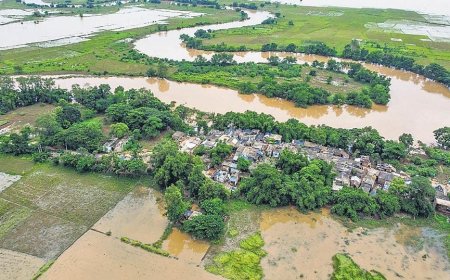
The India Meteorological Department (IMD) has issued fresh heavy rainfall warnings for several parts of the country as the southwest monsoon remains highly active. Kerala has been placed under a Red Alert, indicating the possibility of extremely heavy rainfall capable of causing widespread flooding, landslides, and severe disruption to daily life. Alongside Kerala, several states in Northeast India—including Assam, Meghalaya, Arunachal Pradesh, Nagaland, Manipur, Mizoram, and Tripura—are also expected to receive heavy to very heavy rainfall. Other regions such as coastal Karnataka, parts of Maharashtra, Odisha, and the Himalayan states are also under varying levels of weather alerts.
The IMD has advised residents to remain vigilant, avoid unnecessary travel, and closely follow instructions issued by local authorities. Disaster response teams have been deployed in vulnerable areas, while state governments have activated emergency control rooms to monitor the evolving weather situation.
Why the IMD Issued Red Alerts
A Red Alert is the highest category of weather warning issued by the IMD. It signifies that extremely heavy rainfall is likely, posing a serious threat to life and property. Such alerts are issued only when meteorological conditions indicate a high probability of dangerous weather events.
The current weather pattern is being influenced by several atmospheric factors:
-
A highly active southwest monsoon.
-
Strong moisture-laden winds from the Arabian Sea.
-
A low-pressure system over the Bay of Bengal.
-
Offshore troughs along India's western coastline.
-
Localized thunderstorms and cloud formations.
These conditions have combined to produce continuous and intense rainfall over large areas, particularly along the Western Ghats.
Kerala Faces the Greatest Risk
Kerala is among the states expected to receive the heaviest rainfall during this weather event. Districts located near the Western Ghats are particularly vulnerable because of their mountainous terrain.
Heavy rain may result in:
-
Flash floods
-
River overflow
-
Landslides
-
Road closures
-
Power outages
-
Damage to crops
-
Disruption of rail and air services
Many districts have already witnessed waterlogging in urban areas, overflowing streams, and rising river levels. Schools in several regions may remain closed depending on local conditions, while fishermen have been advised not to venture into the sea due to rough weather.
The State Disaster Management Authority has positioned rescue teams, relief materials, boats, and emergency medical support in vulnerable districts.
Northeast India Under Heavy Rain Warning
The Northeast is another region expected to receive prolonged heavy rainfall.
States under weather watch include:
-
Assam
-
Meghalaya
-
Arunachal Pradesh
-
Nagaland
-
Manipur
-
Mizoram
-
Tripura
The hilly terrain and numerous rivers make these states especially prone to flooding and landslides.
Authorities fear:
-
River flooding
-
Landslides blocking highways
-
Damage to bridges
-
Disruption of transportation
-
Agricultural losses
-
Temporary displacement of residents
Several rivers in Assam continue to flow near or above danger levels, requiring constant monitoring.
Impact on Daily Life
Heavy rainfall affects every aspect of normal life.
Transportation
Road transport often becomes difficult due to:
-
Waterlogged highways
-
Reduced visibility
-
Landslides
-
Fallen trees
-
Damaged roads
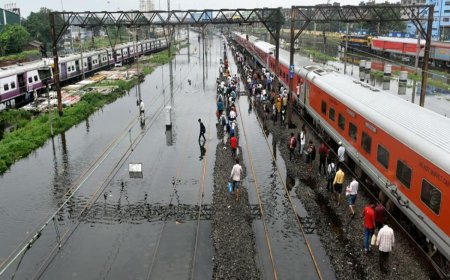
Railway services may experience delays because of flooded tracks or precautionary speed restrictions.
Flights can also be delayed or diverted because of poor visibility and thunderstorms.
Risk of Flooding
Continuous rainfall saturates the soil, reducing its ability to absorb additional water. Rivers, reservoirs, and canals begin overflowing, causing floods.
Floods may result in:
-
Damage to homes
-
Loss of livestock
-
Crop destruction
-
Contaminated drinking water
-
Displacement of families
-
Increased spread of water-borne diseases
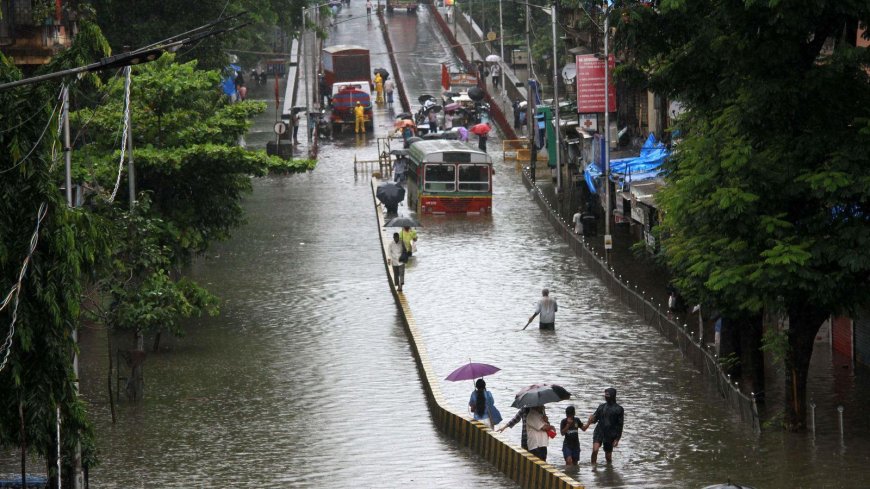
Urban flooding also becomes common because drainage systems struggle to handle large volumes of rainwater.
Landslide Threat
Mountainous districts face an elevated landslide risk.
Heavy rainfall weakens hill slopes by increasing soil moisture, causing rocks and earth to collapse.
Landslides may:
-
Destroy houses
-
Block highways
-
Cut off villages
-
Damage power lines
-
Interrupt communication networks
Residents living near steep slopes are often advised to relocate temporarily to safer areas.
Fishermen Advised to Stay Ashore
The IMD has warned of:
-
Strong winds
-
High waves
-
Rough sea conditions
Fishing boats operating in the Arabian Sea and adjoining waters face significant risks.
State governments have urged fishermen to remain ashore until weather conditions improve.
Agriculture Faces Challenges
While monsoon rains are essential for farming, excessive rainfall can damage crops.
Possible impacts include:
-
Waterlogged fields
-
Root damage
-
Crop diseases
-
Soil erosion
-
Delayed harvesting
-
Loss of vegetables and fruits
Agricultural departments are monitoring conditions and advising farmers on drainage management and crop protection.
Disaster Management Measures
The National Disaster Response Force (NDRF), State Disaster Response Force (SDRF), police, fire services, and local administrations remain on high alert.
Preparedness measures include:
-
Rescue boats positioned strategically.
-
Emergency shelters opened.
-
Food and drinking water stocked.
-
Medical teams deployed.
-
Control rooms operating 24 hours.
-
River levels monitored continuously.
-
Landslide-prone zones under surveillance.
Public Safety Guidelines
Authorities recommend that residents:
-
Stay indoors during intense rainfall.
-
Avoid flooded roads and bridges.
-
Keep emergency supplies ready.
-
Charge mobile phones and power banks.
-
Follow official weather bulletins.
-
Avoid unnecessary travel.
-
Keep important documents in waterproof containers.
-
Report emergencies immediately.
Motorists are advised not to drive through flooded roads, as water depth can be difficult to judge.
Climate Change and Extreme Rainfall
Scientists increasingly associate more frequent extreme rainfall events with climate change.
Warmer atmospheric temperatures allow the air to hold greater amounts of moisture, resulting in heavier downpours when rain occurs.
Urbanization, deforestation, and poor drainage systems further increase flood risks.
Experts emphasize:
-
Better urban planning
-
Improved drainage infrastructure
-
Flood forecasting
-
Early warning systems
-
Sustainable land management
These measures can significantly reduce future disaster impacts.
Importance of IMD Forecasts
The IMD plays a critical role by providing:
-
Weather forecasts
-
Rainfall predictions
-
Cyclone tracking
-
Flood warnings
-
Aviation weather services
-
Agricultural advisories
Modern technologies including Doppler Weather Radars, satellite imagery, numerical weather prediction models, and automatic weather stations help improve forecast accuracy.
Timely warnings enable governments and citizens to prepare in advance, reducing casualties and property damage.