Japanese Technology –
 Avya7800
Introduction
Japan is one of the most technologically advanced countries in the world. Known for its innovation, precision, and efficiency, Japan has contributed significantly to global technological development. From robotics and automobiles to electronics and bullet trains, Japanese technology has transformed industries and improved everyday life.
After the devastation of World War II, Japan rebuilt itself into a technological superpower within a few decades. Today, it stands as a global leader in innovation and research.
History and Development of Japanese Technology
Japan’s technological journey began with rapid industrialization in the late 19th century. However, the real transformation occurred after World War II.
With support from government policies, education, and industries, Japan focused on:
Manufacturing excellence
Research and development
Export-oriented growth
Organizations like Ministry of Economy, Trade and Industry played a key role in shaping the country’s technological progress.
Key Areas of Japanese Technology
1. Robotics and Automation
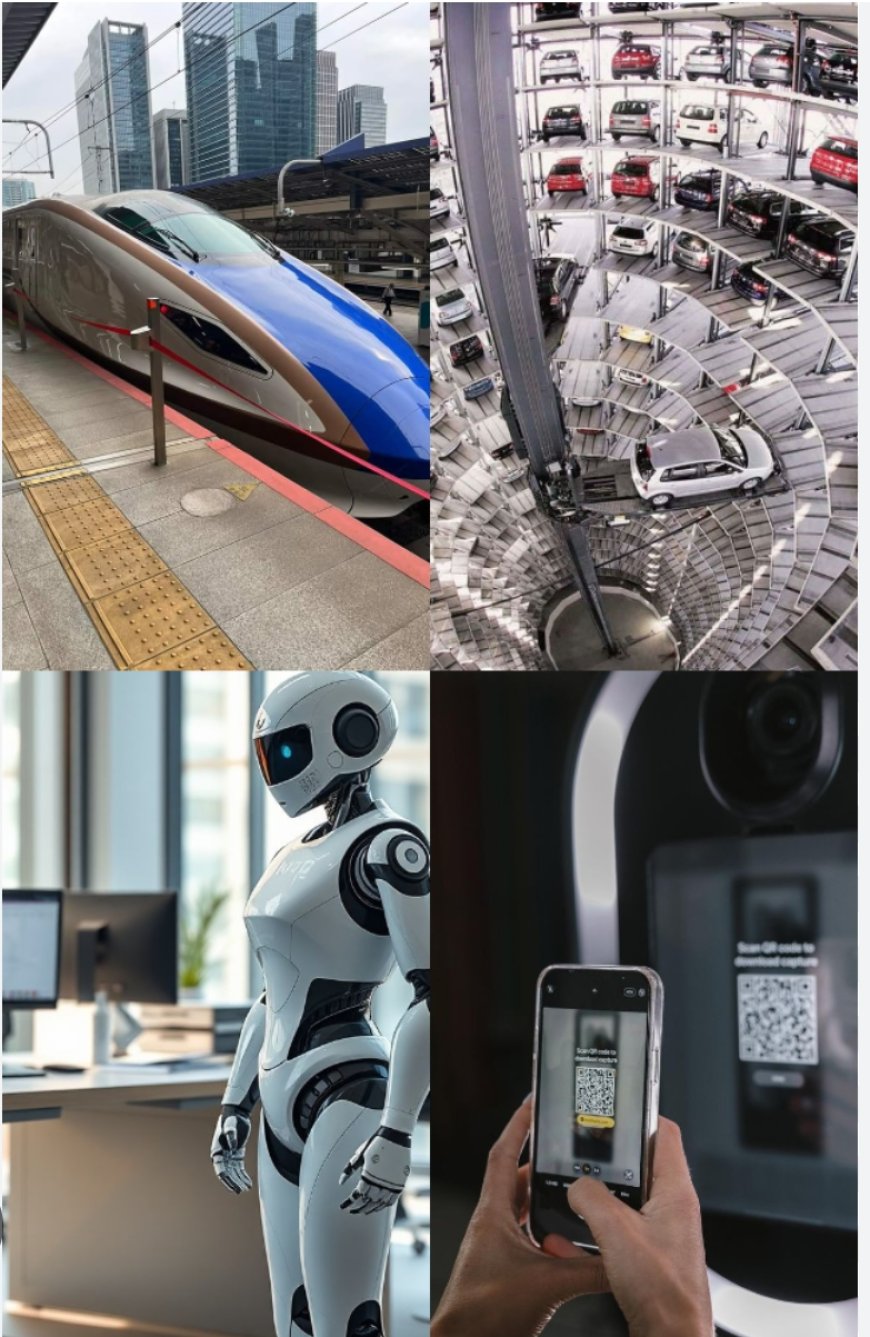
Japan is a global leader in robotics. Robots are widely used in industries, healthcare, and even homes.
Companies like Honda developed humanoid robots such as ASIMO, which can walk, talk, and interact with humans.
Robotics is used in:
Manufacturing industries
Elderly care
Disaster management
Space exploration
Japan’s focus on automation helps increase productivity and solve labor shortages.
2. Automobile Technology
Japan is famous for producing high-quality, fuel-efficient, and reliable cars.
Leading companies include:
Toyota
Honda
Nissan
Japan introduced hybrid cars like the Toyota Prius, which combine petrol engines with electric motors, reducing pollution and fuel consumption.
3. Electronics and Consumer Technology
Japan has been a pioneer in electronics for decades.
Famous companies include:
Sony
Panasonic
Sharp Corporation
Innovations include:
Televisions
Cameras
Gaming consoles
Audio systems
Japan’s electronics are known for quality, durability, and innovation.
4. High-Speed Rail Technology
Japan introduced the world’s first high-speed train system, the Shinkansen, in 1964.
Features include:
Speeds above 300 km/h
High safety standards
Punctuality (trains are rarely late)
The Shinkansen has become a model for high-speed rail systems worldwide.
5. Artificial Intelligence and Smart Technology
Japan is investing heavily in Artificial Intelligence (AI) and smart systems.
Applications include:
Smart homes
Autonomous vehicles
Voice recognition systems
AI is also used in robotics and healthcare to improve efficiency and accuracy.
6. Medical Technology
Japan has advanced healthcare technology that improves patient care.
Innovations include:
Robotic surgery systems
Advanced diagnostic machines
Medical imaging technologies
These technologies help in early diagnosis and effective treatment.
7. Space Technology
Japan has made significant progress in space exploration through the Japan Aerospace Exploration Agency.
Achievements include:
Satellite development
Space missions
Research on the International Space Station
Japan continues to explore new possibilities in space science.
Unique Features of Japanese Technology
1. Precision and Quality
Japanese products are known for their accuracy and high quality.
2. Innovation
Japan continuously develops new ideas and technologies.
3. Efficiency
Systems are designed to save time and energy.
4. Sustainability
Japan focuses on eco-friendly technologies.
Role of Education and Research
Japan’s education system plays a vital role in technological advancement. Students are encouraged to:
Develop technical skills
Participate in research
Innovate new ideas
Universities and research institutions collaborate with industries to develop new technologies.
Impact on Daily Life
Japanese technology has improved everyday life in many ways:
Faster transportation
Better healthcare
Advanced communication
Smart home appliances
People benefit from convenience, safety, and efficiency.
Global Influence of Japanese Technology
Japan exports its technology worldwide. Many countries use Japanese:
Cars
Electronics
Machinery
Japanese companies have global markets and influence international standards.
Challenges Faced by Japan
Despite its success, Japan faces challenges such as:
Aging population
High competition from other countries
Economic pressures
However, Japan continues to innovate and overcome these challenges.
Future of Japanese Technology
The future of Japanese technology looks promising with developments in:
Robotics
AI and automation
Renewable energy
Smart cities
Japan aims to lead the world in next-generation technologies.
Interesting Facts
Japan is one of the largest patent holders in the world
It has some of the fastest trains globally
Robots are used even in restaurants and hotels
Japanese companies focus heavily on research
Conclusion
Japanese technology represents a perfect combination of innovation, quality, and efficiency. From robotics and automobiles to electronics and space research, Japan has made remarkable contributions to the world.
Institutions like Japan Aerospace Exploration Agency and companies like Toyota and Sony continue to push the boundaries of technology.
In conclusion, Japan’s dedication to innovation and excellence has made it a global leader in technology, inspiring countries around the world.