⛽ One-Day Petrol Crisis in India – Detailed Description
Here is a detailed and well-structured description of a one-day petrol crisis in India, written in simple and informative language.
 Avya7800
Introduction
Petrol is one of the most important fuels used in modern life. It powers vehicles, supports transportation systems, and plays a key role in economic activities. In a country like India, where millions of people depend on road transport daily, petrol is essential.
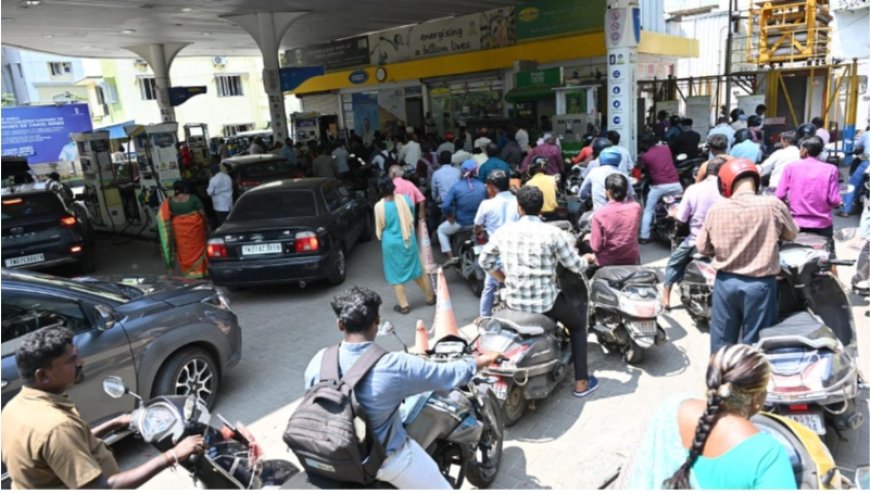
Imagine a situation where petrol becomes unavailable even for a single day. A one-day petrol crisis may seem short, but it can create widespread disruption across the country.
🧾 What is a One-Day Petrol Crisis?
A one-day petrol crisis refers to a temporary situation where the supply of petrol is suddenly disrupted for a day due to reasons such as:
Supply chain failure
Strike by fuel transport workers
Technical issues in refineries
Sudden panic buying
Even this short disruption can cause chaos.
📊 Importance of Petrol in Daily Life
Petrol is used in:
Personal vehicles (cars, bikes)
Public transport (autos, taxis)
Emergency services
Delivery and logistics
A disruption affects almost every sector.
🚧 Causes of a One-Day Petrol Crisis
🚚 1. Transportation Strike
If tanker drivers go on strike:
Fuel supply stops
Petrol pumps run dry
🛢️ 2. Refinery Issues
Problems in oil refineries:
Production halts
Supply chain breaks
🌍 3. Global Factors
International events can affect supply.
Example:
Russia-Ukraine War impacted fuel supply globally.
🧍 4. Panic Buying
People rush to petrol pumps:
Long queues
Rapid depletion of stock
⚖️ 5. Policy or Pricing Issues
Sudden price changes or policy decisions can:
Create confusion
Lead to hoarding
🚦 Immediate Effects of a One-Day Petrol Crisis
🚗 1. Transportation Disruption
Vehicles cannot run
Traffic reduces but mobility suffers
🏫 2. Impact on Schools and Offices
Students and employees face difficulty commuting
Attendance drops
🏥 3. Emergency Services Affected
Ambulances and police vehicles face delays
Critical services are disrupted
📦 4. Supply Chain Disruption
Goods transport slows down
Delivery services stop
🛒 5. Impact on Businesses
Shops may not open
Daily business activities suffer
😟 Social Impact
A petrol crisis creates stress among people.
Effects:
Panic and confusion
Long queues at petrol pumps
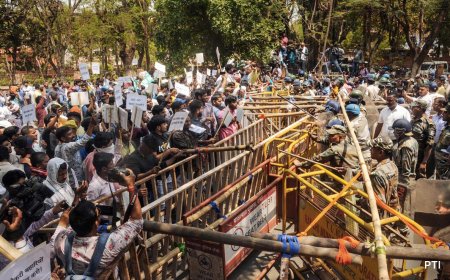
Arguments and unrest
💸 Economic Impact
Even a one-day crisis affects the economy.
Losses:
Reduced productivity
Business interruptions
Transport losses
🏙️ Urban vs Rural Impact
Urban Areas:
High dependence on vehicles
Severe disruption
Rural Areas:
Limited transport options
Difficulty accessing markets and services
🚲 Alternative Transport During Crisis
People may switch to:
Bicycles
Walking
Public transport (if available)
⚠️ Environmental Impact
Interestingly, a petrol crisis can have a temporary positive effect:
Reduced air pollution
Less traffic congestion
However, this benefit is short-term.
🏛️ Government Response
The government of India may take steps such as:
Releasing emergency fuel reserves
Ensuring supply chain restoration
Controlling panic buying
🚓 Role of Administration
Authorities manage the situation by:
Maintaining law and order
Regulating fuel distribution
Monitoring petrol pumps
🧠 Public Responsibility
Citizens should:
Avoid panic buying
Use fuel wisely
Cooperate with authorities
🔬 Long-Term Lessons
A one-day crisis highlights the need for:
Better fuel management
Strong supply chains
Alternative energy sources
🌱 Need for Alternative Energy
To reduce dependence on petrol:
Electric vehicles
Solar energy
Public transport development
🌍 Role of Technology
Technology can help prevent such crises:
Real-time supply monitoring
Efficient logistics
Digital alerts
🌟 Preventive Measures
⛽ 1. Maintain Buffer Stock
Keep emergency fuel reserves
🚚 2. Improve Logistics
Ensure smooth transportation
⚖️ 3. Stable Policies
Avoid sudden changes
📢 4. Public Awareness
Educate people about responsible usage
🔮 Future Outlook
With proper planning:
Short-term crises can be managed
Dependence on petrol can reduce
📌 Conclusion
A one-day petrol crisis in India may seem temporary, but it can cause widespread disruption in transportation, business, and daily life. It highlights the importance of fuel in modern society and the need for efficient management.
By improving infrastructure, promoting alternative energy, and encouraging responsible consumption, India can reduce the impact of such crises and ensure a more stable and sustainable future.