Indian Lady Leaders –
 Avya7800
Introduction
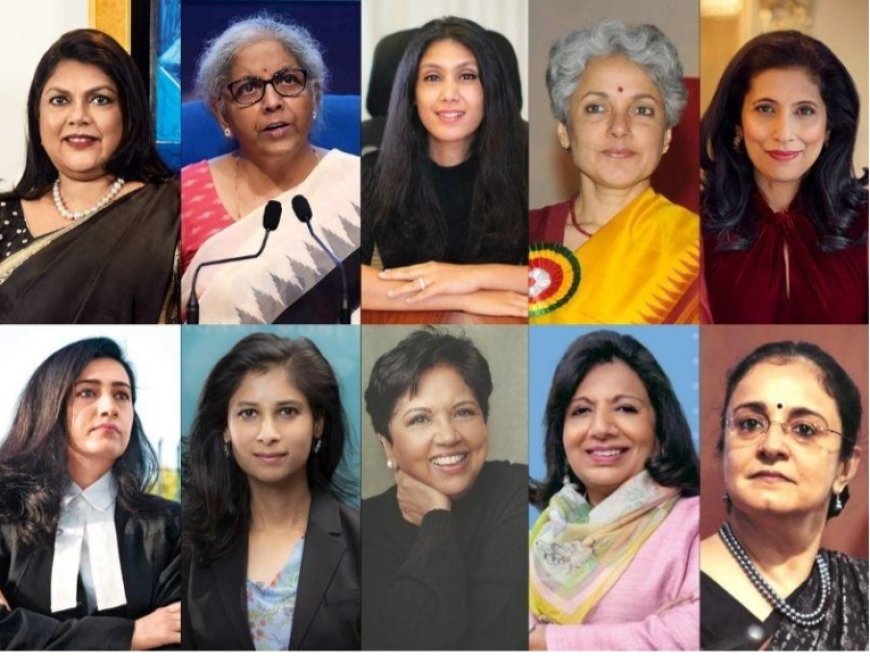
India has a rich history of strong, courageous, and visionary women leaders who have played a vital role in shaping the nation. From the freedom struggle to modern politics, administration, social reform, and global leadership, Indian women have made remarkable contributions. These leaders have broken barriers, challenged social norms, and inspired millions across the world.
Indian lady leaders are known for their strength, intelligence, determination, and commitment to society. They have contributed not only in politics but also in social work, education, science, and international diplomacy. This essay highlights some of the most important Indian women leaders and their contributions.
Role of Women in Indian Leadership
Women in India have traditionally faced many challenges, including gender inequality, lack of education, and social restrictions. Despite these difficulties, many women rose to leadership positions and proved their capabilities.
Their leadership has helped:
Promote gender equality
Improve education and healthcare
Strengthen democracy
Inspire future generations
Women leaders have shown that leadership is not limited by gender but driven by talent and determination.
1. Indira Gandhi
Early Life
Indira Gandhi was born on 19 November 1917 in Allahabad. She was the daughter of Jawaharlal Nehru, India’s first Prime Minister.
Political Career
She became the first and only female Prime Minister of India. Her leadership was strong and decisive.
Major Contributions
Nationalization of banks
Green Revolution to improve agriculture
Leadership during the 1971 war with Pakistan
Creation of Bangladesh
Impact
Indira Gandhi is remembered as one of the most powerful leaders in Indian history.
2. Sarojini Naidu
Early Life
Born in 1879, Sarojini Naidu was a brilliant student and poet.
Role in Freedom Struggle
She actively participated in India’s independence movement alongside leaders like Mahatma Gandhi.
Achievements
First woman Governor of an Indian state (Uttar Pradesh)
Known as the “Nightingale of India”
Impact
She inspired women to participate in the freedom struggle.
3. Pratibha Patil
Background
Pratibha Patil became the first woman President of India in 2007.
Contributions
Promoted women empowerment
Supported education and rural development
Impact
Her presidency was a milestone in Indian history for women’s leadership.
4. Sushma Swaraj
Career
Sushma Swaraj was a respected political leader and served as India’s External Affairs Minister.
Achievements
Helped Indians abroad through quick responses
Strengthened India’s global relations
Impact
She was known for her compassion and dedication to public service.
5. Mamata Banerjee
Early Life
Born in Kolkata, Mamata Banerjee rose from a humble background.
Political Journey
She became the first woman Chief Minister of West Bengal.
Achievements
Focused on development and welfare schemes
Improved infrastructure and social services
Impact
She is known for her strong leadership and grassroots connection.
6. Mayawati
Background
Mayawati is a prominent Dalit leader and social reformer.
Achievements
Became Chief Minister of Uttar Pradesh multiple times
Worked for the upliftment of marginalized communities
Impact
She played a key role in empowering backward classes.
7. Jayalalithaa
Career
Jayalalithaa was a popular leader and former actress.
Achievements
Introduced welfare schemes like Amma canteens
Improved education and healthcare
Impact
She was loved by people for her strong governance.
8. Sonia Gandhi
Role
Sonia Gandhi played a key role in Indian politics as the leader of the Congress party.
Achievements
Strengthened the party
Supported welfare programs like MGNREGA
Impact
She has been an influential political figure for decades.
9. Nirmala Sitharaman
Career
She is one of the most powerful women in Indian politics today.
Achievements
First full-time female Finance Minister
Played a key role in economic policies
Impact
She represents modern women leadership in India.
10. Kiran Bedi
Career
Kiran Bedi was the first woman to join the Indian Police Service.
Achievements
Prison reforms in Tihar Jail
Promoted discipline and honesty
Impact
She inspired women to join civil services.
Importance of Women Leaders in India
Women leaders have contributed significantly to the development of India:
1. Social Reform
They worked to improve education, healthcare, and women’s rights.
2. Political Stability
They played key roles in governance and decision-making.
3. Economic Development
They supported policies that improved the economy.
4. Inspiration
They inspired millions of women to pursue leadership roles.
Challenges Faced by Women Leaders
Despite their success, women leaders face many challenges:
Gender discrimination
Lack of opportunities
Social barriers
Work-life balance
However, their determination helps them overcome these obstacles.
Future of Women Leadership in India
The future of women leadership in India is bright. More women are entering politics, administration, and other leadership roles.
Government initiatives and education are helping women achieve their goals. Society is also becoming more supportive of women leaders.
Conclusion
Indian lady leaders have played a crucial role in shaping the nation’s history and progress. From Indira Gandhi to Nirmala Sitharaman, each leader has contributed in her own way.
Their journeys reflect courage, determination, and dedication. They have broken barriers and proved that women can lead with strength and wisdom.
These leaders are not just role models for women but for the entire society. Their legacy continues to inspire future generations to work hard, dream big, and contribute to the nation.