
Modern furniture stands out for its simplicity,
Modern furniture is not just about appearance; it combines comfort, efficiency, and creativity. It is designed to meet the needs of modern living, where space is often limited, and versatility is essential.
 Avya7800
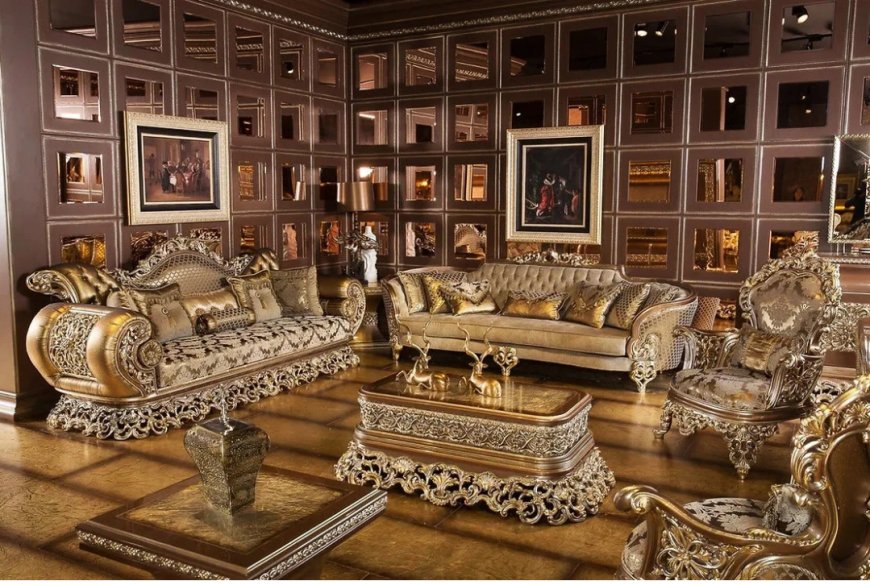
Meaning of Modern Furniture
Modern furniture refers to furniture designed in the late 19th century and continuing into the present, characterized by clean lines, minimal decoration, and a focus on function. It is often associated with modernism, a design movement that emphasizes simplicity and practicality.
Unlike traditional furniture, which often includes heavy carvings and ornate details, modern furniture focuses on:
Straight lines and geometric shapes
Neutral colors
Lightweight structures
Functional design
The main goal of modern furniture is to create a balance between beauty and usability.
History of Modern Furniture
The roots of modern furniture can be traced back to the early 20th century, influenced by industrialization and new materials. Designers began to experiment with steel, glass, and molded wood, moving away from handcrafted wooden furniture.
One of the most important movements in modern furniture design is Bauhaus, which emphasized simplicity and functionality. Designers believed that furniture should be accessible, practical, and suited for mass production.
Another influential style is Mid-Century Modern, which emerged in the mid-20th century. It introduced organic shapes, innovative materials, and a strong connection between indoor and outdoor spaces.
Key Features of Modern Furniture
Modern furniture is known for its distinctive characteristics:
1. Simplicity
Modern furniture avoids unnecessary decoration. Clean lines and simple shapes define its appearance.
2. Functionality
Each piece is designed with a purpose. Multi-functional furniture, such as sofa beds and storage units, is common.
3. Minimalism
Less is more in modern design. Spaces are kept uncluttered and organized.
4. Use of Technology
Modern furniture often incorporates technology, such as adjustable settings, smart features, and ergonomic designs.
5. Neutral Colors
Colors like white, black, grey, and beige dominate modern furniture, though bold accents are sometimes used.
6. Open Space Design
Modern furniture complements open floor plans, creating a sense of space and freedom.
Materials Used in Modern Furniture
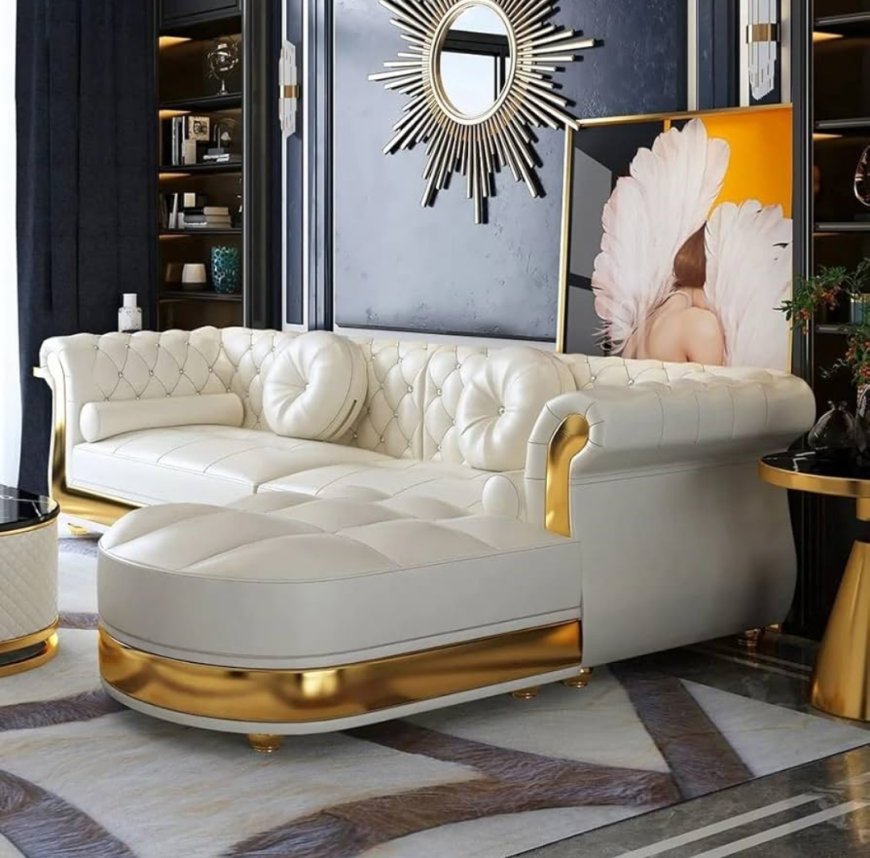
Modern furniture uses a wide range of materials, often combining traditional and industrial elements:
1. Wood
Light-colored woods like oak, maple, and teak are commonly used.
2. Metal
Steel, aluminum, and chrome add strength and a sleek appearance.
3. Glass
Glass is used in tables and cabinets to create a transparent and modern look.
4. Plastic and Acrylic
These materials allow for innovative shapes and are lightweight and affordable.
5. Leather and Fabric
Used in sofas and chairs, these materials provide comfort and style.
Types of Modern Furniture
Modern furniture includes various categories designed for different purposes:
1. Living Room Furniture
Sofas with clean lines
Coffee tables with glass or metal tops
TV units with storage
2. Bedroom Furniture
Platform beds
Minimalist wardrobes
Compact nightstands
3. Office Furniture
Ergonomic chairs
Adjustable desks
Modular storage systems
4. Dining Room Furniture
Simple dining tables
Sleek chairs
Space-saving designs
5. Outdoor Furniture
Weather-resistant materials
Lightweight and portable designs
Advantages of Modern Furniture
Modern furniture offers many benefits:
1. Space Efficiency
It is ideal for small homes and apartments due to its compact design.
2. Easy Maintenance
Simple designs and materials make cleaning and maintenance easier.
3. Versatility
Modern furniture can be used in various settings, from homes to offices.
4. Cost-Effective
Mass production makes modern furniture more affordable.
5. Stylish Appearance
It enhances the overall look of a space with a contemporary feel.
Modern Furniture and Lifestyle
Modern furniture reflects today’s fast-paced and technology-driven lifestyle. People prefer furniture that is:
Easy to move
Multi-functional
Comfortable
Stylish
For example, foldable tables and convertible sofas are popular in urban areas where space is limited. Similarly, ergonomic chairs are essential for people working from home.
Sustainability in Modern Furniture
With growing environmental awareness, sustainability has become an important aspect of modern furniture design. Many manufacturers now use:
Recycled materials
Eco-friendly wood
Non-toxic finishes
Sustainable furniture reduces environmental impact and promotes responsible consumption.
Challenges of Modern Furniture
Despite its advantages, modern furniture has some limitations:
It may lack the warmth and richness of traditional designs
Some materials, like plastic, may not be eco-friendly
Minimalist designs may feel too plain for some people
Future of Modern Furniture
The future of modern furniture is closely linked to technology and sustainability. Trends include:
Smart furniture with built-in charging ports
AI-based ergonomic designs
Eco-friendly materials
Customizable furniture
As lifestyles continue to change, furniture design will adapt to meet new needs.
Conclusion
Modern furniture represents a perfect blend of style, comfort, and functionality. It reflects the values of contemporary society—simplicity, efficiency, and innovation. From its origins in movements like Bauhaus to its current focus on sustainability and technology, modern furniture has come a long way.
It is not just about decorating spaces but about enhancing the quality of life. Whether in homes, offices, or public spaces, modern furniture plays a crucial role in creating environments that are both practical and aesthetically pleasing.