Prashant Kishor's Historic Bankipur By-election Victory: A Turning Point in Bihar Politics
Prashant Kishor's Historic Bankipur By-election Victory: A Turning Point in Bihar Politics
 Madhavisanvi
Prashant Kishor's Historic Bankipur By-election Victory: A Turning Point in Bihar Politics
The Bankipur Assembly by-election of 2026 has emerged as one of the most significant political developments in Bihar in recent years. The election attracted national attention because it marked the electoral debut of political strategist-turned-politician Prashant Kishor, founder of the Jan Suraaj Party. By defeating the Bharatiya Janata Party (BJP) candidate in Bankipur—a constituency regarded as a BJP stronghold—Kishor achieved his first electoral victory and gave his fledgling political movement a major boost. According to official results, he won by more than 19,000 votes, securing over 64,000 votes in total.
Why the Bankipur Election Was So Important
Bankipur, located in Patna, has long been considered one of the BJP's safest seats in Bihar. For decades, the constituency remained under the party's influence and symbolized its urban support base. Because of this history, political observers viewed the by-election as much more than a contest for one legislative seat.
The vacancy arose after senior BJP leader Nitin Nabin vacated the seat following his elevation to a national role, prompting the Election Commission to schedule a by-election. The BJP entered the contest confident of retaining the constituency, while Jan Suraaj viewed it as an opportunity to establish itself as a credible alternative in Bihar politics.
Prashant Kishor's Political Journey
Before entering electoral politics, Prashant Kishor built a reputation as one of India's best-known political strategists. Over the past decade, he advised several major political parties and leaders across the country, earning recognition for his data-driven campaign strategies and organizational planning.
Despite this success behind the scenes, Kishor had never contested an election himself. In 2024, he launched the Jan Suraaj Party with the stated aim of promoting governance reforms, better education, improved healthcare, and development-focused politics in Bihar.
The 2025 Bihar Assembly elections were disappointing for Jan Suraaj, which failed to win any seats. Critics questioned whether Kishor could translate his campaign expertise into electoral success. The Bankipur by-election therefore became an important test of both his leadership and the future of his party.
The Election Campaign
The campaign witnessed intense political activity.
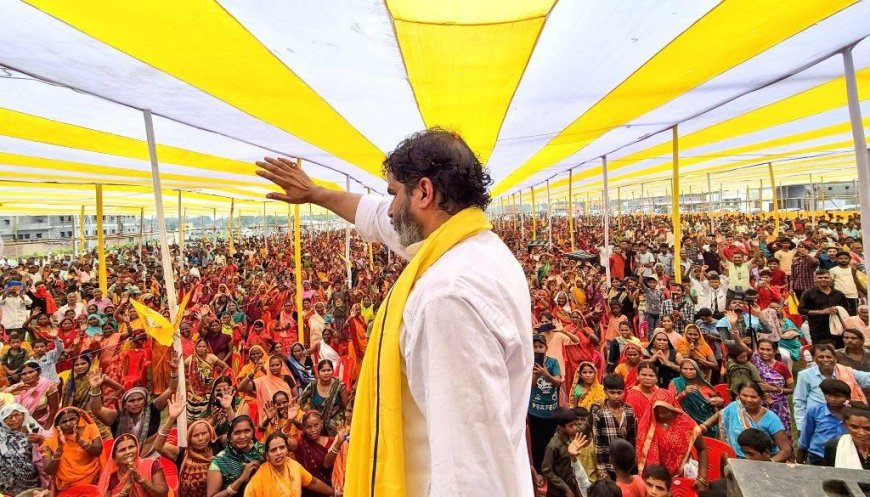
Prashant Kishor travelled extensively across Bankipur, holding public meetings, interacting with residents, and emphasizing issues such as:
-
Better governance
-
Employment opportunities
-
Quality education
-
Urban infrastructure
-
Transparency in administration
-
Reducing corruption
Rather than relying primarily on traditional caste-based political messaging, Jan Suraaj attempted to frame the election around governance and development.
The BJP, meanwhile, highlighted its governance record and organizational strength while campaigning vigorously to retain one of its strongest constituencies.
Political analysts described the campaign as a direct contest between an established national party and a new regional political movement seeking legitimacy.
The Election Result
When votes were counted, the outcome surprised many observers.
Prashant Kishor secured approximately 64,151 votes and defeated BJP candidate Neeraj Kumar by a margin of about 19,324 votes. The victory marked Kishor's first electoral success and Jan Suraaj's first significant legislative breakthrough.
The result immediately became national news because few analysts had expected the BJP to lose Bankipur by such a substantial margin.
Reasons Behind the Victory
Several factors appear to have contributed to the outcome.
1. Personal Credibility
Prashant Kishor entered the contest with a strong national reputation as an election strategist. Many voters viewed him as an educated and experienced leader capable of introducing new political ideas.
2. Development-Centred Campaign
Instead of focusing solely on identity politics, Jan Suraaj emphasized governance, jobs, education, and infrastructure. This message appears to have resonated with sections of urban voters.
3. Anti-Incumbency
Political observers noted signs of dissatisfaction among some voters with the BJP's performance in the constituency, creating an opening for an alternative candidate.
4. Grassroots Mobilization
Jan Suraaj invested significant effort in local outreach, volunteer networks, and door-to-door campaigning. The campaign reflected Kishor's long experience in political organization.
BJP's Response
The BJP accepted the verdict and announced that it would review the reasons behind the defeat. State leaders publicly acknowledged the unexpected result and said the party would analyze the campaign and voter response before future elections.
Reactions from Political Parties
The by-election result triggered widespread reactions.
Supporters of Jan Suraaj celebrated the victory as evidence that Bihar voters were willing to support new political alternatives.
Opposition parties viewed the outcome as a sign that established political equations in Bihar could become more competitive.
Political commentators, however, cautioned against drawing sweeping conclusions from a single by-election, noting that statewide elections involve different dynamics.
Importance for Jan Suraaj
The victory represents a major milestone for Jan Suraaj.
For a party that had struggled in the previous Assembly election, winning a high-profile constituency has:
-
Increased public visibility
-
Improved organizational confidence
-
Attracted greater media attention
-
Strengthened volunteer morale
-
Enhanced fundraising prospects
-
Demonstrated electoral viability
Perhaps most importantly, the result provides the party with representation inside the Bihar Legislative Assembly.
Impact on Bihar Politics
The Bankipur by-election may influence Bihar politics in several ways.
Emergence of a New Political Force
Jan Suraaj has now demonstrated that it can compete against established parties in at least some constituencies.
Increased Competition
Both the ruling alliance and the opposition are likely to pay closer attention to urban constituencies where voters may be more receptive to governance-focused campaigns.
Campaign Strategy
The election highlighted the importance of grassroots engagement, issue-based campaigning, and candidate credibility.
National Significance
Because Prashant Kishor is well known nationally, the result received attention beyond Bihar.
His transition from campaign strategist to elected representative has become a notable development in Indian politics. Analysts suggest that this victory could increase his influence in debates about governance and political reform.
Challenges Ahead
Despite the victory, Jan Suraaj faces several challenges:
-
Expanding beyond urban constituencies.
-
Building a stronger statewide organization.
-
Maintaining momentum until the next Assembly election.
-
Converting individual popularity into broader party support.
-
Delivering effective legislative performance.
Winning one by-election does not guarantee long-term electoral success.
Expectations from Voters
Residents who supported Prashant Kishor are likely to expect:
-
Regular engagement with constituents.
-
Effective representation in the Assembly.
-
Progress on local infrastructure.
-
Better civic services.
-
Transparency and accountability.
Meeting these expectations will be crucial for sustaining public confidence.
Looking Ahead
The Bankipur result is expected to influence preparations for Bihar's next Assembly elections. Major political parties may revisit their campaign strategies, candidate selection, and outreach efforts in response to the changing political environment.
Whether Jan Suraaj can build on this momentum across the state remains an open question, but the by-election has clearly established the party as a participant that other political forces must now take seriously.