
Weather Alert: IMD Forecasts Heavy to Extremely Heavy Rainfall Across Several States; Northeast on High Alert
Weather Alert: IMD Forecasts Heavy to Extremely Heavy Rainfall Across Several States; Northeast on High Alert
 Madhavisanvi
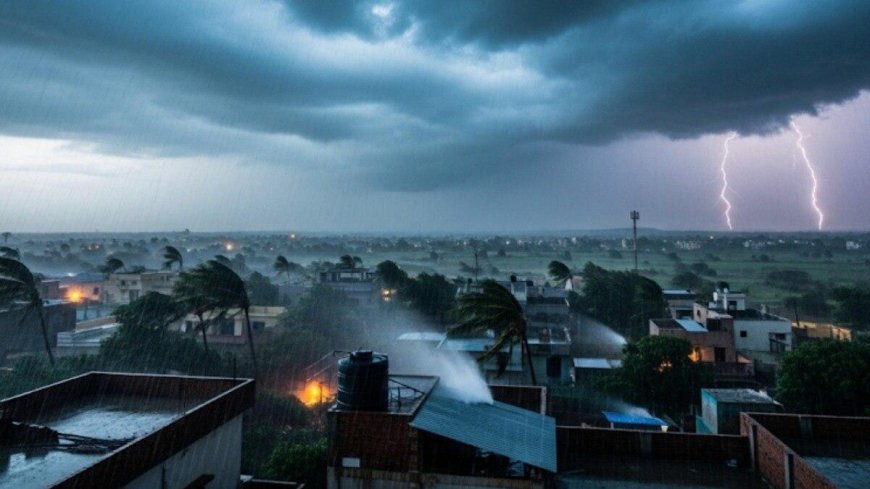
Weather Alert: IMD Forecasts Heavy to Extremely Heavy Rainfall Across Several States; Northeast on High Alert
The India Meteorological Department (IMD) has issued a fresh weather alert forecasting heavy to very heavy rainfall across several parts of the country over the coming days. According to the latest forecast, extremely heavy rainfall is expected in isolated areas of Assam and other Northeastern states, while widespread thunderstorms, lightning, and strong winds are likely to affect many regions of India. The warning comes at a time when the southwest monsoon remains active over much of the country, increasing the risk of flooding, landslides, waterlogging, and transport disruptions.
The latest forecast highlights the need for citizens, state governments, and disaster management agencies to remain alert and take precautionary measures, particularly in flood-prone and hilly regions. The IMD has advised people living in vulnerable areas to monitor official weather updates and follow instructions issued by local authorities.
Southwest Monsoon Remains Active
The southwest monsoon is the primary source of rainfall in India, contributing nearly 75 percent of the country's annual precipitation. During August, monsoon activity generally intensifies across central, eastern, and northeastern India, often resulting in prolonged periods of rainfall.
Meteorologists explain that the current weather pattern is being influenced by active monsoon systems, moisture-laden winds from the Bay of Bengal, and favorable atmospheric conditions. These factors are expected to produce widespread rainfall across many states during the forecast period.
While rainfall is beneficial for agriculture, reservoirs, and groundwater recharge, extremely heavy rainfall over a short duration can also lead to flash floods, landslides, and significant damage to infrastructure.
States Expected to Receive Heavy Rainfall
According to the IMD forecast, several regions are likely to experience moderate to heavy rainfall, while isolated locations may receive very heavy or extremely heavy showers.
Among the states expected to be affected are:
-
Assam
-
Arunachal Pradesh
-
Meghalaya
-
Nagaland
-
Manipur
-
Mizoram
-
Tripura
-
West Bengal
-
Bihar
-
Odisha
-
Jharkhand
-
Uttar Pradesh
-
Madhya Pradesh
-
Chhattisgarh
-
Maharashtra
-
Gujarat
-
Kerala
-
Karnataka
Rainfall intensity may vary from one district to another depending on local weather conditions.
Northeast India Faces Highest Risk
The Northeast is expected to witness the most intense rainfall during this weather spell.
States including Assam, Meghalaya, Arunachal Pradesh, Nagaland, Manipur, Mizoram, and Tripura are likely to experience continuous heavy rain, with isolated areas receiving extremely heavy downpours.
Experts warn that mountainous terrain and saturated soil significantly increase the likelihood of:
-
Landslides
-
Flash floods
-
River overflow
-
Road blockages
-
Damage to bridges
-
Disruption of transport services
Several rivers in the Brahmaputra basin are already flowing at elevated levels due to continuous rainfall.
Assam on High Alert
Among all the affected states, Assam remains one of the most vulnerable.
The IMD has forecast extremely heavy rainfall in isolated parts of the state. Such rainfall may lead to:
-
Urban flooding
-
Overflowing rivers
-
Inundation of low-lying villages
-
Crop damage
-
Road closures
-
Disruption of ferry services
District administrations have been instructed to remain prepared for emergency response operations if required.
Thunderstorms and Strong Winds
Apart from rainfall, the IMD has warned of widespread thunderstorms accompanied by lightning and gusty winds.
Strong winds may damage:
-
Weak structures
-
Temporary shelters
-
Electric poles
-
Trees
-
Hoardings
-
Agricultural crops
Lightning remains one of the leading weather-related hazards during the monsoon season, particularly in rural areas where people work outdoors.
Possible Impact on Transportation
Heavy rainfall may significantly affect transportation across several regions.
Possible disruptions include:
-
Waterlogging in cities
-
Traffic congestion
-
Flight delays
-
Railway delays
-
Road closures
-
Ferry service interruptions
Mountain roads in northeastern states are particularly vulnerable to landslides and mudslides.
Flood Risk
Continuous rainfall over multiple days increases the possibility of flooding.
Major concerns include:
-
Overflowing rivers
-
Breaching of embankments
-
Flash floods in urban areas
-
Waterlogging in villages
-
Damage to houses
-
Loss of livestock
Authorities have been monitoring river levels closely and coordinating with disaster management agencies.
Agricultural Impact
The rainfall has mixed implications for agriculture.
Positive Effects
-
Improved soil moisture
-
Better paddy cultivation
-
Recharge of groundwater
-
Higher reservoir storage
-
Improved irrigation availability
Negative Effects
Excessive rainfall may also cause:
-
Crop inundation
-
Waterlogging
-
Root damage
-
Delayed harvesting
-
Loss of vegetables
-
Soil erosion
Farmers are advised to follow agricultural advisories issued by state agriculture departments.
Disaster Management Preparedness
The National Disaster Response Force (NDRF), State Disaster Response Forces (SDRFs), and local administrations remain prepared for possible emergencies.
Authorities are expected to:
-
Monitor weather conditions continuously.
-
Keep rescue teams on standby.
-
Relocate people from vulnerable areas if necessary.
-
Maintain emergency shelters.
-
Coordinate with local agencies for relief operations.
Public Safety Advisory
The IMD has urged people to take precautions during severe weather conditions.
Safety measures include:
-
Avoid unnecessary travel during heavy rainfall.
-
Stay indoors during thunderstorms.
-
Do not shelter under isolated trees during lightning.
-
Keep away from flooded roads and rivers.
-
Follow official weather bulletins.
-
Secure loose outdoor objects.
-
Keep emergency supplies ready.
Motorists should drive cautiously because visibility may reduce significantly during intense rainfall.
Urban Challenges
Major cities may experience:
-
Waterlogging
-
Traffic jams
-
Power interruptions
-
Tree falls
-
Overflowing drains
-
Delays in public transport
Municipal authorities have been instructed to clean drainage systems and deploy emergency response teams where necessary.
Importance of Accurate Forecasting
Advances in weather forecasting technology have improved the IMD's ability to predict severe weather events.
Modern forecasting uses:
-
Doppler Weather Radars
-
Weather satellites
-
Numerical weather prediction models
-
Automatic weather stations
-
River monitoring systems
These technologies enable authorities to issue timely warnings and reduce disaster risks.
Climate Change and Extreme Weather
Climate experts note that extreme rainfall events have become more frequent in many parts of India.
Although individual weather events cannot be attributed solely to climate change, rising temperatures may increase atmospheric moisture, leading to more intense rainfall episodes under favorable conditions.
This highlights the importance of improved urban planning, stronger flood management systems, and climate-resilient infrastructure.
Government Response
State governments are coordinating with central agencies to ensure preparedness.
Emergency control rooms have been activated in vulnerable districts, while officials are monitoring rainfall, river levels, and landslide-prone locations. Relief materials and rescue equipment have been positioned for rapid deployment if conditions worsen.