
✈️ Air India Adjusts West Asia Operations: 42 Special Flights Launched to Tackle Disruptions
✈️ Air India Adjusts West Asia Operations: 42 Special Flights Launched to Tackle Disruptions
 Preeti
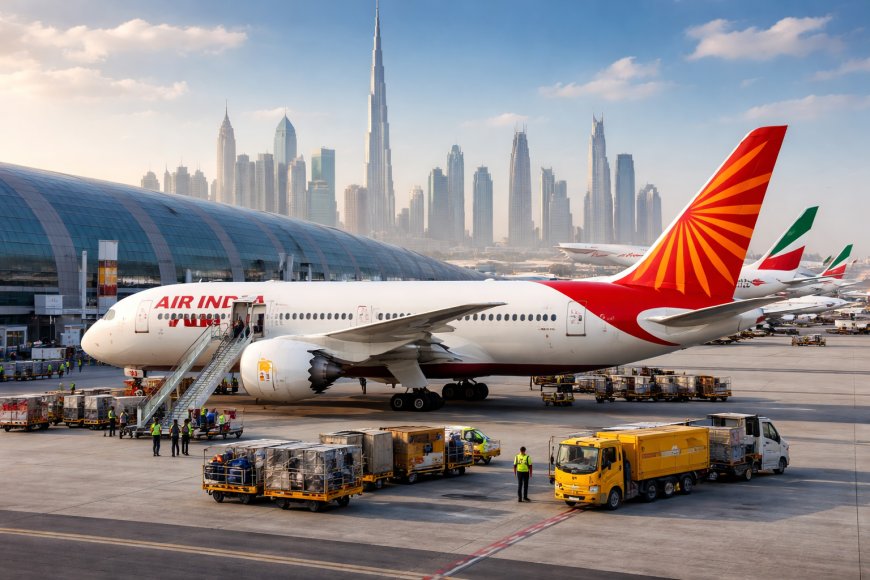
✈️ Air India Adjusts West Asia Operations: 42 Special Flights Launched to Tackle Disruptions
In a significant move aimed at ensuring passenger convenience and maintaining operational stability, Air India has announced the deployment of 42 special flights across key routes connecting India with the West Asia and the United Arab Emirates. This decision comes in response to ongoing disruptions affecting regular flight schedules in the region, highlighting the airline’s commitment to minimizing inconvenience for travelers.
Background of the Disruption
The aviation sector in West Asia has been experiencing intermittent operational challenges over the past few days. These disruptions have been attributed to a mix of logistical, technical, and external factors impacting air traffic flow across one of the busiest aviation corridors in the world. The region serves as a crucial hub linking Asia, Europe, and Africa, making any disturbance particularly significant.
Air India, which operates numerous daily flights between India and key West Asian destinations such as Dubai, Abu Dhabi, Doha, and Muscat, has been directly affected by these irregularities. Flight delays, cancellations, and rescheduling have disrupted travel plans for thousands of passengers, prompting the airline to take swift corrective measures.
The Special Flights Initiative
To mitigate the impact, Air India has introduced 42 additional flights on an ad-hoc basis. These special services are designed to accommodate stranded passengers, clear backlogs, and ensure that travelers reach their destinations with minimal delay.
According to airline officials, these flights will operate on high-demand routes, particularly those connecting major Indian cities such as Delhi, Mumbai, Kochi, and Hyderabad with West Asian hubs. The airline has also indicated that additional flights may be scheduled if disruptions persist.
A senior Air India spokesperson stated, “Our priority is to ensure that passengers affected by the disruptions are accommodated at the earliest. The deployment of special flights reflects our commitment to maintaining service reliability even in challenging circumstances.”
Impact on Passengers
The disruptions have had a considerable impact on passengers, particularly those traveling for work, business, and family commitments. West Asia is home to a large Indian diaspora, with millions of expatriates residing and working in countries like the UAE, Saudi Arabia, and Qatar.
For many travelers, flight delays and cancellations can lead to missed connections, financial losses, and emotional stress. By introducing additional flights, Air India aims to ease this burden and restore normalcy.
Passengers have been advised to stay updated through official communication channels, including the airline’s website, mobile app, and customer support services. The airline has also urged travelers to arrive at airports well in advance, given the dynamic nature of the situation.
Strategic Importance of West Asia Routes
The India–West Asia corridor is among the busiest aviation routes globally. It caters not only to passenger traffic but also to cargo movement, including essential goods, perishables, and industrial supplies.
Air India’s strong presence in this region underscores its strategic importance. The airline operates multiple daily flights connecting Indian metros and tier-2 cities to key destinations in the Gulf. These routes are vital for supporting trade, tourism, and the movement of the workforce.
The current disruptions highlight the vulnerability of global aviation networks to unforeseen challenges. They also underscore the need for airlines to maintain operational flexibility and resilience.
Operational Challenges and Response
Managing large-scale disruptions requires careful coordination across multiple domains, including air traffic management, ground handling, crew scheduling, and customer service.
Air India has reportedly activated contingency plans to address these challenges. This includes deploying additional crew, optimizing aircraft utilization, and coordinating closely with airport authorities and regulatory bodies.
The airline’s ability to launch 42 special flights within a short timeframe reflects its operational readiness and resource management capabilities. It also demonstrates the importance of having a robust crisis response framework in place.
Role of Technology and Communication
In today’s digital age, effective communication plays a critical role in managing disruptions. Air India has leveraged technology to keep passengers informed about flight status, schedule changes, and alternative arrangements.
Real-time updates via SMS, email, and mobile notifications have been instrumental in ensuring transparency. Additionally, customer support teams have been working round the clock to assist passengers with rebooking, refunds, and other queries.
The use of data analytics and predictive tools has also enabled the airline to identify high-demand routes and allocate resources accordingly.
Government and Regulatory Support
The aviation sector operates within a complex regulatory framework, and government support is often crucial during disruptions. Authorities in India and West Asian countries have been working closely with airlines to facilitate smooth operations.
Measures such as flexible slot allocations, expedited clearances, and enhanced coordination among stakeholders have contributed to the effective management of the situation.
The collaborative approach between airlines and regulators underscores the importance of public-private partnerships in ensuring the resilience of the aviation sector.
Broader Implications for the Aviation Industry
The current situation serves as a reminder of the dynamic nature of the aviation industry. Factors such as geopolitical developments, weather conditions, and technical issues can have far-reaching consequences.
For airlines, the ability to adapt quickly and efficiently is key to maintaining customer trust and operational stability. The deployment of special flights by Air India sets a positive example of proactive crisis management.
Industry experts believe that such measures not only address immediate challenges but also enhance the airline’s reputation in the long term.
Passenger Advisory
Travelers planning to fly between India and West Asia in the coming days are advised to:
Check flight status regularly before departure
Arrive at the airport well in advance
Keep necessary documents and identification ready
Stay in touch with airline customer support for updates
Passengers affected by cancellations or delays can avail themselves of rebooking options, refunds, or alternative travel arrangements as per airline policies.
Looking Ahead
While the situation remains fluid, Air India’s swift response has helped alleviate some of the challenges faced by passengers. The airline continues to monitor developments closely and is prepared to take further action if required.
As global travel demand continues to rise, the importance of operational resilience and customer-centric strategies cannot be overstated. Air India’s proactive approach in deploying 42 special flights reflects its commitment to navigating challenges while prioritizing passenger convenience.
Conclusion
The launch of 42 special flights by Air India amid disruptions in West Asia routes marks a significant step toward ensuring continuity in air travel. By addressing passenger concerns and maintaining operational efficiency, the airline has demonstrated its ability to respond effectively to unforeseen challenges.
As the aviation industry evolves, such initiatives will play a crucial role in shaping a more resilient and reliable travel ecosystem. For passengers, the message is clear: while disruptions may occur, proactive measures and timely communication can make all the difference.