
🥛 Cow Milk and Powder Milk – Detailed Description
Here is a detailed and well-structured description of cow milk and powder milk in simple and informative language.
 Avya7800
Introduction
Milk is one of the most important and nutritious foods consumed by humans. It is a rich source of essential nutrients required for growth and health. Among different types of milk, cow milk and powder milk are widely used across the world.
Cow milk is a natural liquid obtained from cows, while powder milk is a processed form of milk made by removing water content. Both types have their own benefits, uses, and limitations.
🐄 Cow Milk
🧾 What is Cow Milk?
Cow milk is a natural dairy product obtained from cows. It has been consumed by humans for thousands of years and is considered a complete food.
🧪 Nutritional Value of Cow Milk
Cow milk contains a variety of nutrients:
Protein (for body growth)
Calcium (for strong bones)
Vitamins like A, D, B12
Minerals like potassium and phosphorus
These nutrients make cow milk highly beneficial for health.
⚡ Benefits of Cow Milk
1. 🦴 Strong Bones
Rich in calcium
Prevents bone diseases
2. 💪 Muscle Growth
High protein content
Supports body development
3. 🧠 Brain Health
Contains vitamins that support brain function
4. 🛡️ Immunity Boost
Helps fight infections
5. ❤️ Heart Health
Provides essential nutrients for heart function
🌿 Types of Cow Milk
Full cream milk
Toned milk
Skimmed milk
Each type has a different fat content.
⚠️ Disadvantages of Cow Milk
May cause lactose intolerance in some people
Can spoil quickly
Requires refrigeration
🧂 Powder Milk
🧾 What is Powder Milk?
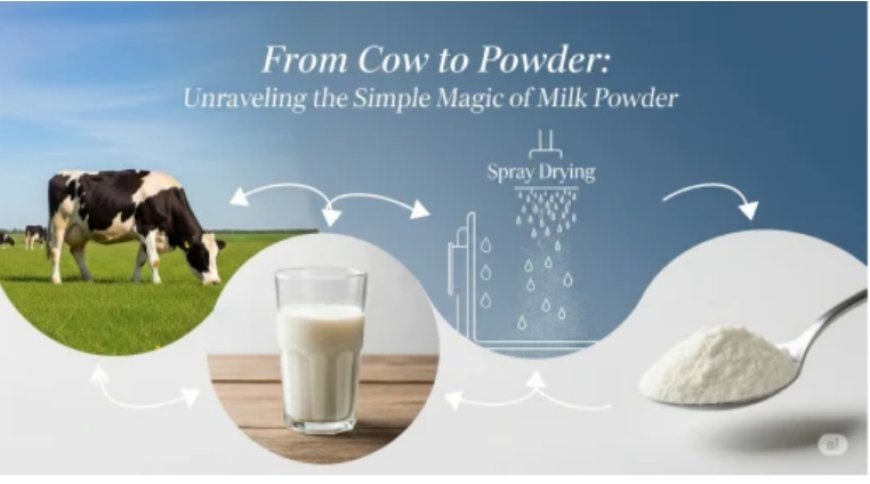
Powder milk (milk powder) is made by evaporating water from liquid milk, turning it into a dry powder form. It can be stored for a long time and is easy to transport.
🏭 Manufacturing Process
Steps include:
Heating milk
Removing water through evaporation
Drying into powder
This process helps preserve milk for longer use.
🧪 Nutritional Value of Powder Milk
Powder milk retains most nutrients of fresh milk:
Protein
Calcium
Vitamins
However, some vitamins may reduce during processing.
⚡ Benefits of Powder Milk
1. 📦 Long Shelf Life
Can be stored for months
2. 🚚 Easy Transportation
Lightweight and portable
3. 💰 Cost-Effective
Often cheaper than fresh milk
4. 🧃 Convenient Use
Can be mixed with water anytime
⚠️ Disadvantages of Powder Milk
Slight loss of nutrients
Taste may differ from fresh milk
May contain additives
⚖️ Comparison Between Cow Milk and Powder Milk
Feature
Cow Milk
Powder Milk
Nature
Natural
Processed
Shelf Life
Short
Long
Taste
Fresh and natural
Slightly different
Storage
Needs refrigeration
Easy storage
Nutrition
More natural nutrients
Slightly reduced nutrients
Convenience
Less portable
Highly portable
🧑⚕️ Health Perspective
Both types of milk are beneficial but depend on individual needs:
Children benefit more from fresh cow milk
Travelers may prefer powder milk
Lactose-intolerant people may need alternatives
🌍 Usage in Daily Life
Cow Milk:
Drinking directly
Making tea, coffee
Preparing dairy products
Powder Milk:
Emergency use
Baking and cooking
Baby formula (special types)
🌱 Role in Nutrition
Milk plays a key role in:
Growth of children
Bone health
Overall body development
⚠️ Safety and Quality
Cow Milk:
Must be fresh and hygienic
Should be boiled before use
Powder Milk:
Must be stored in a dry place
Use within expiry date
🔬 Modern Trends
Fortified milk with extra nutrients
Organic milk production
Improved processing of milk powder
🌟 Advantages Summary
Cow Milk:
Natural and fresh
Better taste
High nutritional value
Powder Milk:
Long-lasting
Easy to use
Convenient
⚠️ Limitations Summary
Cow Milk:
Short shelf life
Storage issues
Powder Milk:
Processing reduces some nutrients
Taste difference
🔮 Future of Dairy Products
The dairy industry is evolving with:
Better preservation techniques
Nutrient-enriched products
Increased demand for convenience
📌 Conclusion
Cow milk and powder milk both play important roles in human nutrition. Cow milk is a natural and fresh source of nutrients, while powder milk offers convenience and longer storage. Choosing between them depends on individual needs, lifestyle, and availability.
Both types contribute significantly to health and nutrition, making milk an essential part of a balanced diet.