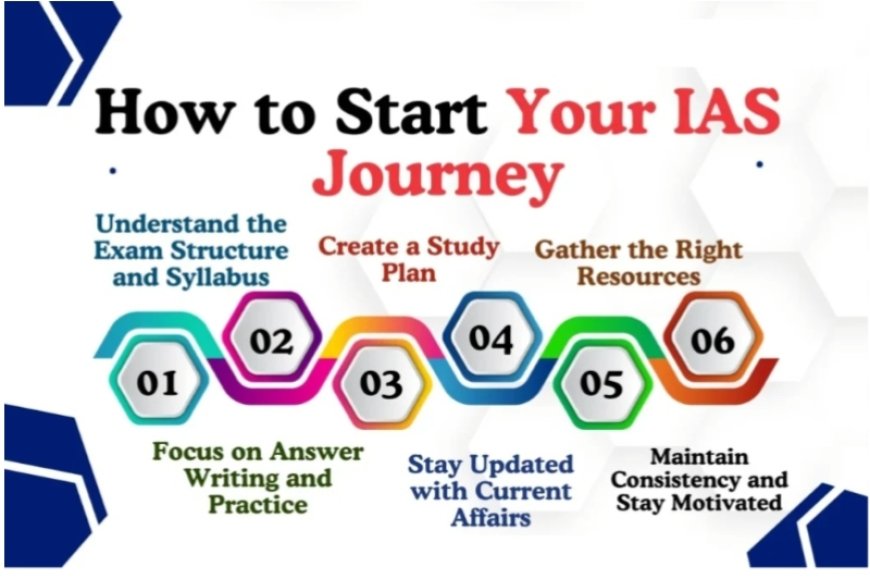
Starting UPSC preparation requires a structured approach
Starting UPSC preparation requires a structured approach: analyze the syllabus, read NCERTs (Class 6-12) to build foundations, start daily newspaper reading, and choose an optional subject early. Focus on consistency, answer writing practice, and reviewing previous year questions (PYQs) over a 12-18 month period. Phase 1: Foundation (Months 1-3) Understand the Syllabus: Download the UPSC syllabus; it is your guide to what not to study. NCERT Books: Read NCERTs from classes 6 to 12 for core subjects like History, Geography, Economy, and Polity to build basic concepts. Newspaper Reading: Start reading a reputable newspaper like The Hindu or The Indian Express daily to build current affairs knowledge. This video explains the importance of understanding the UPSC syllabus for beginners: how to start upsc prep +14 Starting UPSC preparation requires a structured approach: analyze the syllabus, read NCERTs (Class 6-12) to build foundations, start daily newspaper reading, and choose an optional subject early. Focus on consistency, answer writing practice, and reviewing previous year questions (PYQs) over a 12-18 month period. IAS SETU IAS SETU +3 Phase 1: Foundation (Months 1-3) Understand the Syllabus: Download the UPSC syllabus; it is your guide to what not to study. NCERT Books: Read NCERTs from classes 6 to 12 for core subjects like History, Geography, Economy, and Polity to build basic concepts. Newspaper Reading: Start reading a reputable newspaper like The Hindu or The Indian Express daily to build current affairs knowledge. IAS SETU IAS SETU +4 This video explains the importance of understanding the UPSC syllabus for beginners: Related video thumbnail 01:55:31 UPSCprep․com YouTube• 8 Jun 2025 Phase 2: Core Strengthening (Months 4-9) Reference Books: Move from NCERTs to standard reference books (e.g., Laxmikanth for Polity). Optional Subject: Select your optional subject based on interest and background, and start preparing it thoroughly. Current Affairs Notes: Make concise notes from the newspaper, linking them to the static syllabus. Phase 3: Testing & Revision (Months 10+) Answer Writing: Start practicing answer writing for Main Examination questions, starting with one or two questions a day. Mock Tests: Take regular mock tests for Prelims to understand the exam format and improve speed. Revision: Revise your notes, NCERTs, and current affairs multiple times. This video discusses the 'Why' behind appearing for the UPSC exam and how to structure your success formula: Essential Tips Plan Ahead: Set daily, weekly, and monthly goals to cover the vast syllabus. Keep it Simple: Do not collect too many study materials; rely on limited, standard sources. Consistency: Maintain a consistent study routine rather than intense, irregular study sessions. Physical Activity: Include physical activity or hobbies to stay mentally and physically active.
 Avya7800
0
1