🇮🇳 Women Empowerment in India
Women empowerment in India is a crucial aspect of national development and social progress. It refers to the process of enabling women to have control over their lives, make independent decisions, and participate equally in all spheres of society—economic, political, social, and cultural. Over the years, India has made significant progress in empowering women, but challenges still remain.
 Avya7800
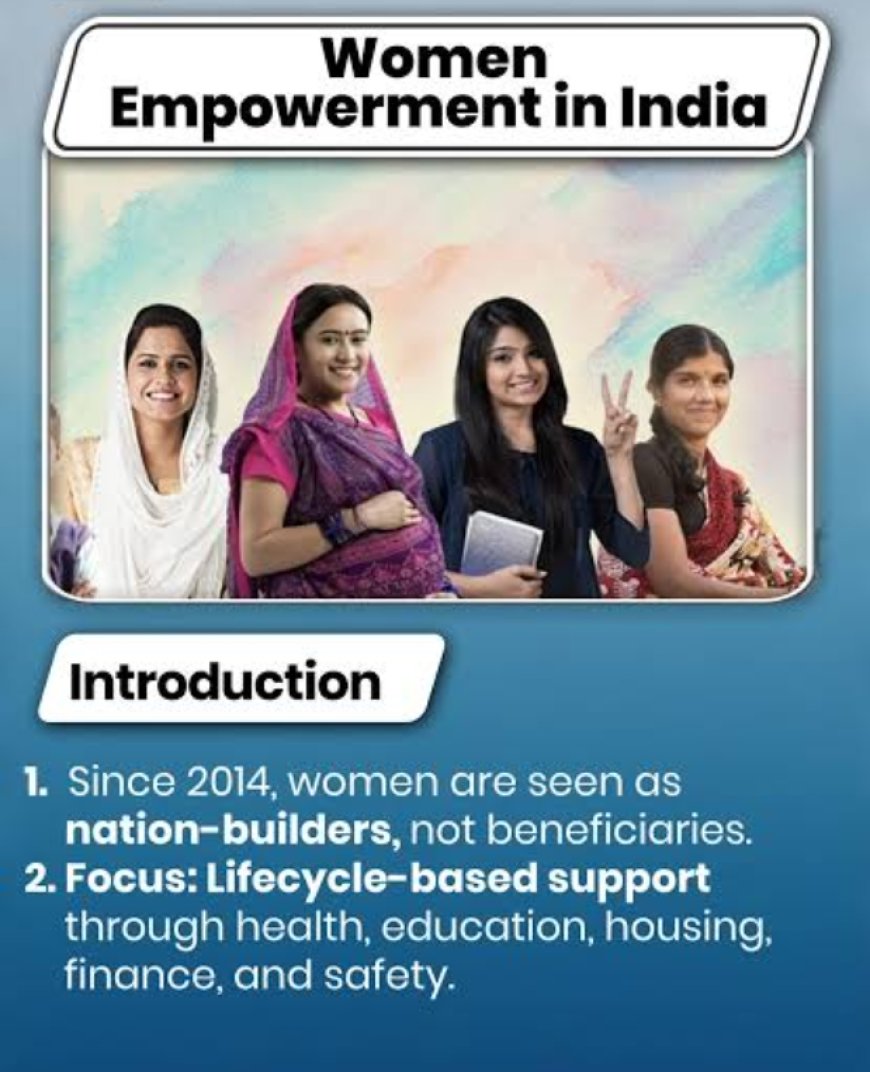
1. Introduction
Women have always played an essential role in Indian society, from managing households to contributing to the economy and governance. However, historically, women faced discrimination, lack of education, and limited opportunities.
The Constitution of India guarantees equality and provides a strong foundation for women empowerment. Leaders like Sarojini Naidu and Indira Gandhi have shown the strength and potential of Indian women.
2. Meaning of Women Empowerment
Women empowerment means:
Giving women equal rights and opportunities
Ensuring access to education and employment
Promoting participation in decision-making
Eliminating discrimination and violence
It is about creating a society where women can live with dignity and freedom.
3. Importance of Women Empowerment
Women empowerment is essential for:
Economic growth
Social development
Reduction of poverty
Better health and education outcomes
Empowered women contribute to stronger families and communities, which leads to national progress.
4. Role of Education in Empowerment
Education is the most powerful tool for empowering women.
Benefits:
Increases awareness and confidence
Opens employment opportunities
Promotes gender equality
Government initiatives like Beti Bachao Beti Padhao encourage girls’ education.
Despite progress, female literacy rates in some rural areas are still low.
5. Economic Empowerment
Financial independence is key to empowerment.
Key Aspects:
Employment opportunities
Equal wages
Access to financial resources
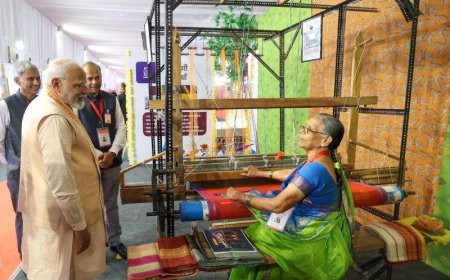
Programs like self-help groups (SHGs) and microfinance schemes help women start small businesses.
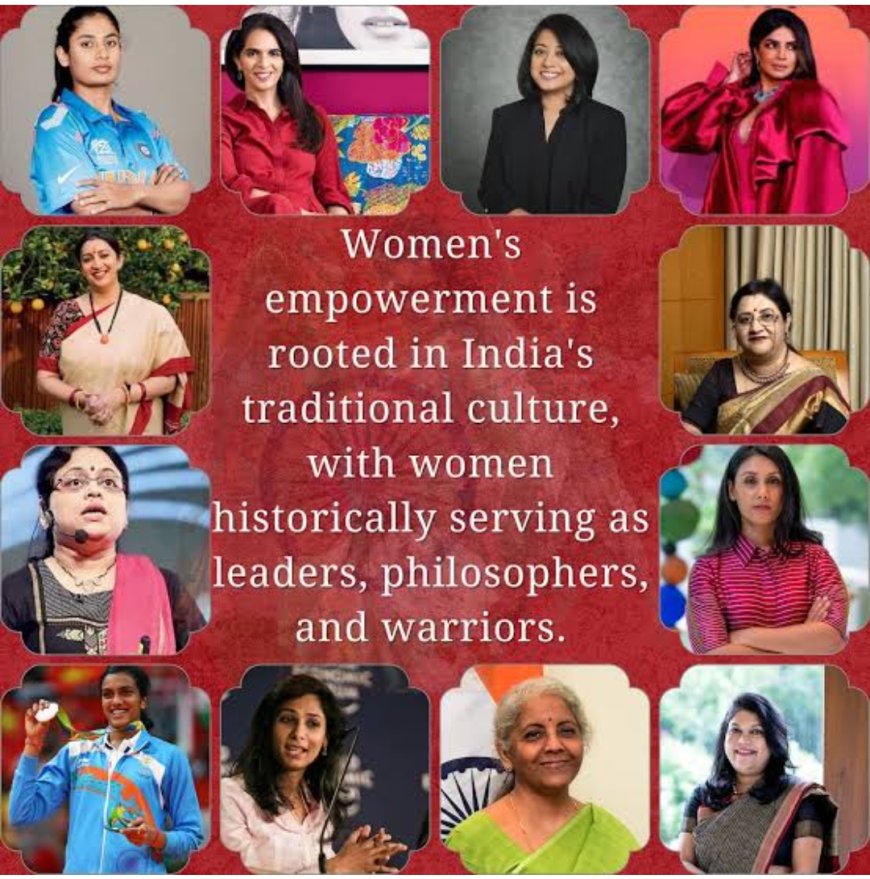
Today, women are working in various sectors such as IT, healthcare, education, and entrepreneurship.
6. Political Empowerment
Women’s participation in politics is increasing.
Key Developments:
Reservation of seats in Panchayati Raj institutions
Growing number of women leaders
Women leaders like Droupadi Murmu symbolize progress in political empowerment.
However, representation in higher political positions still needs improvement.
7. Legal Rights and Protection
India has enacted several laws to protect women.
Important Laws:
Protection of Women from Domestic Violence Act
Dowry Prohibition Act
Sexual Harassment of Women at Workplace Act
These laws aim to ensure safety and justice for women.
8. Health and Well-being
Women’s health is a key component of empowerment.
Focus Areas:
Maternal health
Nutrition
Access to healthcare
Government schemes like Janani Suraksha Yojana promote safe motherhood.
However, issues like malnutrition and lack of healthcare access still exist.
9. Social Empowerment
Social empowerment involves changing societal attitudes.
Key Issues:
Gender discrimination
Child marriage
Domestic violence
Awareness campaigns and education are helping to change mindsets.
10. Role of Technology
Technology is playing an important role in empowering women.
Benefits:
Access to online education
Digital banking
Work-from-home opportunities
Mobile phones and the internet have opened new opportunities for women, especially in rural areas.
11. Challenges to Women Empowerment
Despite progress, several challenges remain:
Major Issues:
Gender inequality
Lack of education
Unemployment
Violence and safety concerns
Cultural and social barriers
These challenges need to be addressed for true empowerment.
12. Role of Government and NGOs
Government and non-government organizations play a crucial role.
Key Initiatives:
Beti Bachao Beti Padhao
Skill development programs
Women entrepreneurship schemes
NGOs work at the grassroots level to support women and raise awareness.
13. Women in Modern India
Today’s Indian women are achieving success in various fields:
Science and technology
Sports
Business
Arts and culture
Their achievements inspire future generations.
14. Steps to Improve Women Empowerment
To strengthen women empowerment, the following steps are needed:
Promote girls’ education
Ensure equal employment opportunities
Strengthen legal protection
Increase political participation
Change societal attitudes
15. Future of Women Empowerment in India
The future looks promising as awareness and opportunities increase.
Key Trends:
Greater participation in workforce
Digital empowerment
Stronger legal framework
With continued efforts, India can achieve gender equality and inclusive growth.
Conclusion
Women empowerment in India is essential for building a strong and progressive nation. While significant progress has been made, challenges still exist that require collective efforts from the government, society, and individuals.
Empowering women is not just about improving their lives—it is about transforming society as a whole. When women are educated, independent, and confident, they contribute to economic growth, social harmony, and national development.