🏰 Red Fort (Lal Qila), Delhi –
Here is a detailed and well-structured description of the Red Fort (Lal Qila), Delhi in simple and informative language.
 Avya7800
Introduction
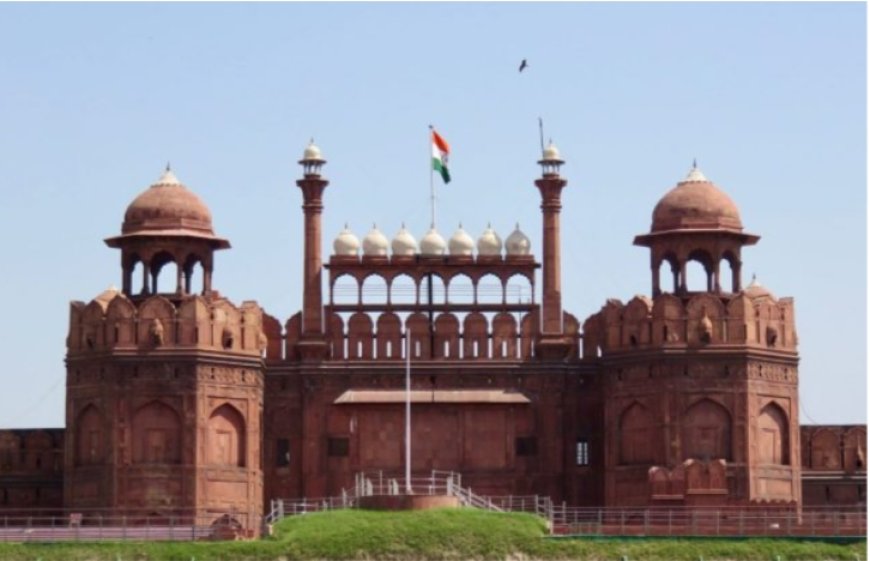
The Red Fort, also known as Lal Qila, is one of the most famous historical monuments in Delhi, India. Built during the Mughal era, the Red Fort is a symbol of India’s rich history, architectural brilliance, and cultural heritage.
Constructed from red sandstone, the fort stands as a powerful reminder of the grandeur of the Mughal Empire.
🏛️ Historical Background
The Red Fort was built by the Mughal emperor
👉 Shah Jahan in 1638.
Key Historical Facts:
Construction started in 1638
Completed in 1648
Served as the main residence of Mughal emperors
The fort was part of the new capital city called Shahjahanabad (Old Delhi).
🧱 Architecture and Design
The Red Fort is a masterpiece of Mughal architecture.
Features:
Built with red sandstone
Combination of Persian, Timurid, and Indian styles
Strong defensive walls
Structure:
Massive walls (about 2 km long)
Beautiful gates and halls
Symmetrical design
The architecture reflects the artistic excellence of the Mughal period.
🚪 Main Gates
1. Lahori Gate
Main entrance of the fort
Faces the city of Lahore (historically)
2. Delhi Gate
Another important entrance
Used by the royal family
These gates are grand and historically significant.
🏯 Important Buildings Inside Red Fort
🏛️ Diwan-i-Aam (Hall of Public Audience)
Emperor met common people
Addressed public issues
🏰 Diwan-i-Khas (Hall of Private Audience)
Used for meeting ministers and nobles
Famous for the phrase: “If there is paradise on earth, it is this”
🏡 Rang Mahal
Palace for royal women
Beautiful decorations and fountains
🕌 Moti Masjid
Small white marble mosque
Built by Aurangzeb
🌟 Cultural and Historical Importance
The Red Fort holds great importance in Indian history.
Key Points:
Symbol of Mughal power
Witness to major historical events
Center of political activities
🇮🇳 Role in Indian Independence
The Red Fort played an important role during India’s freedom struggle.
Historic Moment:
On 15 August 1947, India became independent
First Prime Minister
👉 Jawaharlal Nehru
hoisted the national flag here
Even today, the Prime Minister hoists the flag here every Independence Day.
🎉 Independence Day Celebrations
Every year on 15 August:
Flag hoisting ceremony
Speech by the Prime Minister
Cultural programs
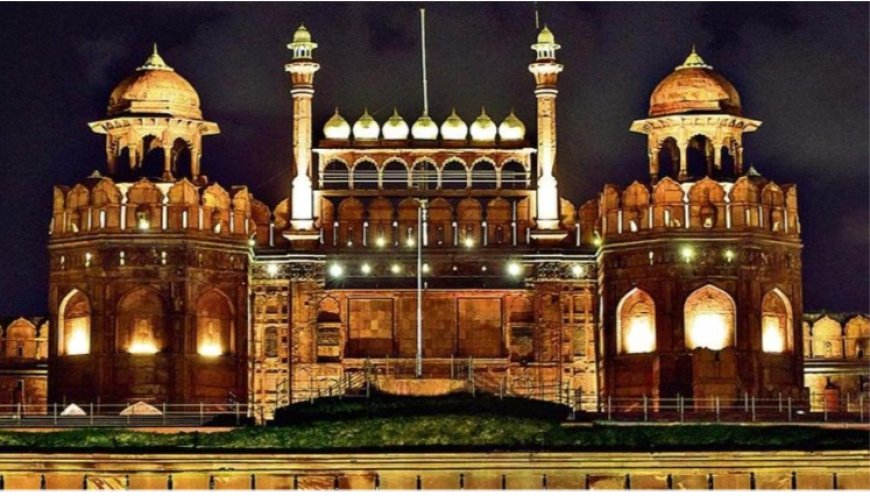
The Red Fort becomes the center of national celebrations.
🌍 UNESCO World Heritage Site
The Red Fort is a UNESCO World Heritage Site.
Reasons:
Historical importance
Architectural beauty
Cultural value
It attracts tourists from all over the world.
🌆 Tourism and Attractions
The Red Fort is one of the top tourist attractions in Delhi.
Visitors can enjoy:
Light and sound show
Museum inside the fort
Historical exploration
🌿 Gardens and Surroundings
The fort includes beautiful gardens:
Mughal-style gardens
Water channels
Green landscapes
These enhance the beauty of the monument.
⚠️ Challenges and Preservation
The Red Fort faces several challenges:
Pollution
Environmental damage
Wear and tear
Efforts are being made to preserve this heritage site.
🔧 Conservation Efforts
The Indian government and organizations work to:
Restore damaged structures
Maintain cleanliness
Protect historical value
🔮 Future Importance
The Red Fort will continue to be:
A symbol of India’s history
A major tourist destination
A cultural heritage site
📌 Conclusion
The Red Fort is not just a monument but a symbol of India’s glorious past and national pride. Built by Shah Jahan, it reflects the grandeur of the Mughal era and the strength of Indian heritage.
From its architectural beauty to its role in independence, the Red Fort remains one of the most important landmarks in India. It continues to inspire millions and stands as a reminder of the country’s rich history.