India, one of the fastest-growing economies and largest democracies in the world,
As of 2026, the country is navigating a dynamic phase marked by growth opportunities, policy reforms, and evolving challenges. This detailed overview presents the latest news and developments shaping India today.
 Avya7800
1. Political Landscape in India
India’s political environment remains active and influential in shaping national and international policies. Under the leadership of Narendra Modi, the central government continues to focus on development-driven governance, digital transformation, and infrastructure expansion.
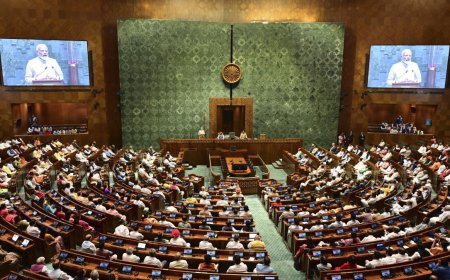
Recent parliamentary sessions have witnessed discussions on economic reforms, data protection laws, and employment generation. The government has also emphasized schemes such as “Make in India” and “Atmanirbhar Bharat” to boost domestic manufacturing and reduce dependence on imports.
At the state level, political activities remain intense. Regional parties are strengthening their positions, and upcoming elections in various states are expected to influence the national political narrative. Issues such as unemployment, inflation, and social welfare remain central to political debates.
2. Economic Developments
India’s economy continues to show resilience despite global uncertainties. The country remains among the top emerging markets, attracting significant foreign investment.
Stock markets such as BSE Sensex and Nifty 50 have shown strong performance, reflecting investor confidence. The rise of startups and unicorn companies has further strengthened the economic ecosystem.
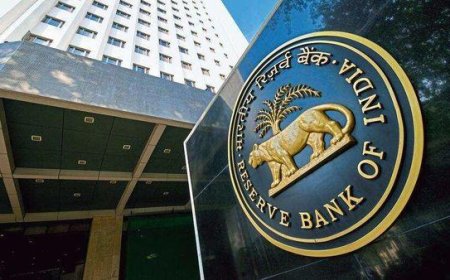
However, inflation and rising living costs remain key concerns. The government and the Reserve Bank of India are working to maintain price stability and ensure sustainable growth.
The push toward digital payments has also transformed India’s financial landscape. Platforms like UPI have made transactions faster and more accessible, even in rural areas.
3. Technology and Innovation
India is rapidly emerging as a global technology hub. The expansion of 5G services by companies like Reliance Jio and Bharti Airtel has significantly improved internet speed and connectivity.
The country is also investing in future technologies such as artificial intelligence (AI), machine learning, and quantum computing. India’s IT sector continues to thrive, with global companies outsourcing services and setting up development centers in cities like Bengaluru, Hyderabad, and Pune.
Additionally, India is exploring 6G technology, aiming to stay ahead in the global telecom race. Government-backed initiatives are encouraging innovation and supporting startups in deep-tech sectors.
4. Education Sector Reforms
The implementation of the National Education Policy (NEP) 2020 continues to reshape India’s education system. The policy emphasizes skill-based learning, digital education, and multidisciplinary approaches.
Online education platforms have gained immense popularity, especially after the pandemic. Universities are adopting hybrid learning models, combining online and offline teaching methods.
Efforts are also being made to improve education in rural areas by increasing access to digital infrastructure and quality teaching resources.
5. Healthcare and Public Health
India’s healthcare system has undergone significant transformation in recent years. Following the challenges of the COVID-19 pandemic, the government has strengthened healthcare infrastructure across the country.
Schemes like Ayushman Bharat continue to provide affordable healthcare services to millions of citizens. Investments in medical research and pharmaceutical manufacturing have also increased.
India remains one of the largest producers of vaccines and generic medicines, supplying to many countries worldwide. Public awareness about health and hygiene has also improved significantly.

6. Infrastructure Development
Infrastructure development is a key focus area for the Indian government. Large-scale projects involving highways, railways, airports, and smart cities are underway.
The expansion of metro networks in major cities and the development of expressways are improving connectivity and reducing travel time. The bullet train project between Mumbai and Ahmedabad is also progressing steadily.
These developments are expected to boost economic growth and create employment opportunities.
7. Environmental Challenges and Sustainability
India faces significant environmental challenges, including air pollution, water scarcity, and climate change. Major cities like Delhi often experience severe air quality issues.
To address these concerns, the government is promoting renewable energy sources such as solar and wind power. India has set ambitious targets to reduce carbon emissions and increase the share of clean energy.
Public awareness campaigns and environmental policies are being implemented to encourage sustainable practices among citizens.
8. Social Issues and Development
India continues to work on improving social indicators such as education, gender equality, and poverty reduction. Government schemes are aimed at empowering women, providing employment opportunities, and improving living standards.
However, challenges such as unemployment and income inequality persist. Efforts are being made to create jobs through industrial growth and skill development programs.
Digital inclusion is also a major focus, ensuring that people in rural areas have access to technology and online services.
9. Sports Achievements
India’s performance in sports has improved significantly in recent years. Cricket remains the most popular sport, with players like Virat Kohli and Rohit Sharma continuing to inspire millions.
In addition to cricket, Indian athletes have excelled in sports like badminton, wrestling, boxing, and athletics. India’s participation in international tournaments such as the Olympics and Asian Games has resulted in increased medal counts.
The government is also investing in sports infrastructure and training programs to nurture young talent.
10. International Relations
India’s role on the global stage continues to grow stronger. The country maintains strategic partnerships with major powers such as the United States, Russia, and European nations.
India plays a key role in global organizations and forums, contributing to discussions on climate change, trade, and security.
Its diplomatic efforts aim to ensure peace, stability, and economic cooperation in the region and beyond. India’s influence in the Indo-Pacific region is also increasing.
11. Digital Transformation
India’s digital revolution is transforming the way people live and work. Government initiatives like Digital India have improved access to online services, including banking, education, and healthcare.
The use of smartphones and internet services has grown rapidly, even in rural areas. E-governance platforms are making public services more transparent and efficient.
India is also becoming a leader in fintech innovation, with digital payment systems setting global benchmarks.
Conclusion
India in 2026 stands at a crucial juncture, balancing rapid growth with ongoing challenges. The country is making significant progress in areas such as technology, infrastructure, healthcare, and global diplomacy. At the same time, issues like inflation, unemployment, and environmental concerns require continuous attention.