Indian History of Leadership –
 Avya7800
Introduction
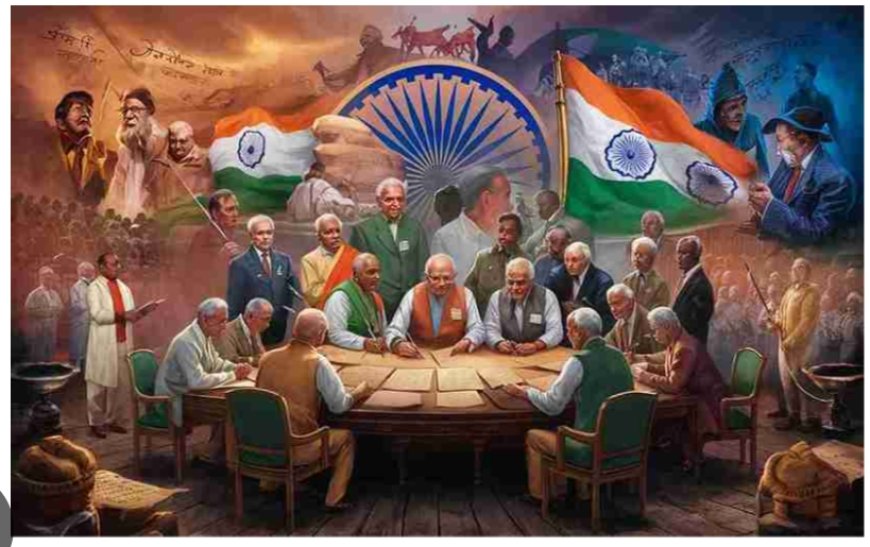
India has a long and glorious history filled with great leaders who shaped the destiny of the nation. From ancient kings and warriors to modern freedom fighters and political visionaries, leadership has played a crucial role in building the identity of India. Indian leaders have guided society through different phases—ancient civilizations, medieval kingdoms, colonial rule, and independence.
Leadership in Indian history is not just about power but also about wisdom, courage, sacrifice, and service to the people.
Leadership in Ancient India
1. Chandragupta Maurya
Chandragupta Maurya was one of the first great leaders of India. He founded the Maurya Empire in the 4th century BCE and unified large parts of India.
With the guidance of Chanakya, he established a strong administration and efficient governance system. His leadership laid the foundation for a powerful empire.
2. Ashoka the Great
Ashoka was one of the greatest rulers in Indian history. After the Kalinga War, he adopted Buddhism and focused on peace and non-violence.
His leadership transformed India into a land of moral and spiritual values. He promoted welfare, justice, and religious tolerance.
Leadership in Medieval India
1. Akbar
Akbar was a powerful Mughal emperor known for his wise leadership and inclusive policies. He promoted unity among different religions and cultures.
His concept of “Sulh-i-Kul” (universal peace) helped maintain harmony in his empire.
2. Shivaji Maharaj
Shivaji Maharaj was a brave and visionary leader who founded the Maratha Empire. He is known for:
Strong military strategies
Naval power
Administrative reforms
He inspired people with his courage and dedication to self-rule (Swaraj).
Leadership During Colonial Period
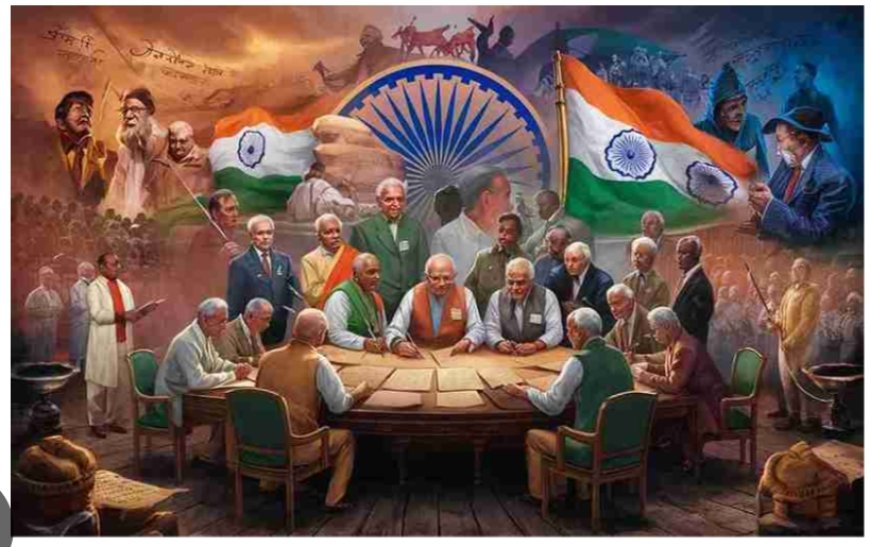
The British rule brought new challenges, and many leaders emerged to fight for India’s freedom.
1. Mahatma Gandhi
Mahatma Gandhi is known as the “Father of the Nation.” His leadership was based on:
Non-violence (Ahimsa)
Truth (Satya)
Civil disobedience
He led movements like:
Non-Cooperation Movement
Salt March
Quit India Movement
Gandhi’s peaceful approach inspired the world.
2. Subhas Chandra Bose
Subhas Chandra Bose believed in armed struggle for independence. He formed the Indian National Army (INA) and gave the slogan “Give me blood, and I will give you freedom.”
His leadership showed courage and determination.
3. Jawaharlal Nehru
Nehru was a key leader in the freedom movement and became independent India’s first Prime Minister.
He focused on:
Industrial development
Education
Scientific progress
His vision helped build modern India.
4. Sardar Vallabhbhai Patel
Known as the “Iron Man of India,” Patel played a crucial role in uniting princely states into one nation.
His leadership ensured political integration and national unity.
Women Leaders in Indian History
Indian history also includes many powerful women leaders.
1. Rani Lakshmibai
She was a brave warrior who fought against British rule during the Revolt of 1857. Her courage made her a symbol of resistance.
2. Indira Gandhi
India’s first female Prime Minister, Indira Gandhi, was known for her strong leadership and bold decisions.
She played a major role in shaping modern India.
Qualities of Indian Leaders
Indian leaders across history have shared common qualities:
Courage and bravery
Vision and foresight
Dedication to people
Moral values and ethics
Ability to inspire others
These qualities made them successful and respected.
Impact of Leadership on Indian Society
Leadership has played a vital role in shaping Indian society:
Establishing strong empires
Promoting unity and harmony
Leading freedom movements
Building modern institutions
Leaders have influenced culture, politics, and social development.
Modern Leadership in India
After independence, India continued to produce great leaders who contributed to development and progress.
Modern leaders focus on:
Economic growth
Technology
Social welfare
Global relations
Challenges Faced by Leaders
Leaders in Indian history faced many challenges:
Foreign invasions
Colonial rule
Social inequalities
Economic difficulties
Despite these challenges, they showed resilience and determination.
Lessons from Indian Leadership
Indian history teaches us valuable lessons:
Importance of unity
Power of non-violence
Need for strong vision
Value of sacrifice
These lessons remain relevant even today.
Conclusion
The history of India is filled with inspiring leaders who shaped the nation’s destiny. From ancient rulers like Chandragupta Maurya and Ashoka the Great to freedom fighters like Mahatma Gandhi and Subhas Chandra Bose, each leader contributed uniquely.
Their leadership, courage, and vision continue to inspire generations. Indian leadership is not just about ruling but about serving people and guiding society towards progress and harmony.
In conclusion, the legacy of Indian leaders remains a powerful force in shaping the nation’s present and future.