Village life is one of the oldest and simplest
 Avya7800
Introduction
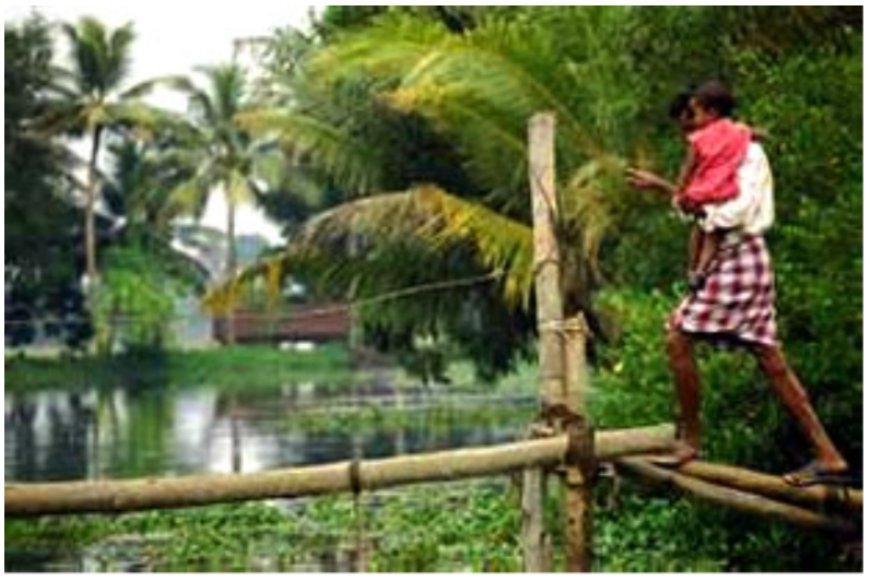
Village life is one of the oldest and simplest forms of human living. It represents peace, harmony, and a close connection with nature. In countries like India, villages form the backbone of society, as a large part of the population still lives in rural areas.
Village life is often considered calm and natural compared to the fast-paced and busy life of cities. It reflects traditional values, simplicity, and community living.
Meaning of Village Life
A village is a small settlement where people live together, usually surrounded by fields, forests, and natural landscapes. The lifestyle in villages is simple and less complicated.
Village life is characterized by:
Close-knit communities
Agricultural occupations
Traditional customs and practices
Natural Environment
One of the most attractive aspects of village life is its natural environment.
Villages are surrounded by:
Green fields
Rivers and ponds
Trees and fresh air
People wake up to the sound of birds, enjoy clean air, and live close to nature. This environment promotes a healthy lifestyle.
Occupation and Economy
The main occupation in villages is agriculture. Farmers grow crops like:
Rice
Wheat
Vegetables
Fruits
In addition to farming, villagers may engage in:
Animal husbandry
Handicrafts
Small-scale industries
Agriculture plays a vital role in the economy of rural areas.
Simple Lifestyle
Village life is known for its simplicity.
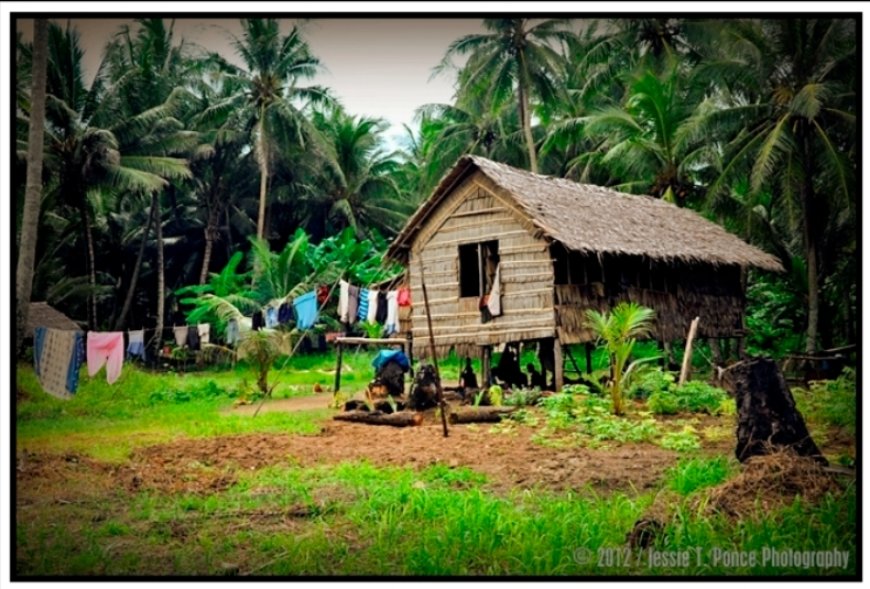
People live in small houses made of mud, bricks, or cement
Daily life is not rushed
Needs are limited
Villagers are generally content with what they have and lead a peaceful life.
Social Life and Community Bonding
Village communities are closely connected.
People know each other well
They help each other in times of need
Festivals and events are celebrated together
This strong sense of unity creates a feeling of belonging.
Culture and Traditions
Villages preserve traditional culture and customs.
Folk music and dance are common
Traditional festivals are celebrated with enthusiasm
Rituals and customs are followed strictly
Village life reflects the cultural heritage of a country.
Education in Villages
Education facilities in villages are improving, but challenges still exist.
Schools are available, but resources may be limited
Students often travel long distances
Awareness about education is increasing
Government efforts are helping improve rural education.
Health Facilities
Healthcare in villages is often limited.
Basic health centers are available
Serious medical cases require travel to cities
Awareness about hygiene and sanitation is growing
Improving healthcare is an important need in rural areas.
Advantages of Village Life
1. Peaceful Environment
Villages are free from noise, pollution, and stress.
2. Healthy Lifestyle
Fresh air, natural food, and physical work promote good health.
3. Strong Relationships
People share strong emotional bonds.
4. Low Cost of Living
Living expenses are lower compared to cities.
Disadvantages of Village Life
1. Lack of Facilities
Villages may lack modern amenities like hospitals and advanced schools.
2. Limited Job Opportunities
Most jobs are related to agriculture.
3. Poor Infrastructure
Roads, electricity, and internet may not be well developed.
4. Limited Entertainment
There are fewer entertainment options compared to cities.
Role of Government in Rural Development
The government of India has introduced various schemes to improve village life:
Development of roads and infrastructure
Improvement of education and healthcare
Employment programs
Digital connectivity
These efforts aim to uplift rural areas.
Modern Changes in Village Life
Village life is changing with modernization.
Use of technology in farming
Access to mobile phones and internet
Better transportation
Despite these changes, villages still maintain their traditional values.
Comparison with City Life
Village life differs greatly from city life:
Village Life
City Life
Peaceful and quiet
Busy and noisy
Close to nature
More pollution
Simple lifestyle
Modern lifestyle
Strong community
Individualistic
Both have their advantages and disadvantages.
Importance of Villages
Villages are important because:
They produce food for the nation
Preserve culture and traditions
Support the economy
Without villages, the country cannot survive.
Interesting Facts
A large part of India’s population lives in villages
Agriculture is the main source of livelihood
Villages are centers of traditional culture
Rural life is becoming modern gradually
Conclusion
Village life is a symbol of simplicity, peace, and natural living. In India, villages play a crucial role in shaping society and the economy.
Although villages face challenges like lack of facilities and opportunities, they offer a peaceful and healthy lifestyle that is hard to find in cities.
In conclusion, village life teaches us the importance of community, simplicity, and harmony with nature. With proper development and modernization, villages can become even better places to live while preserving their rich traditions.